Empathy in Caregiving – Song of a Lifetime

Empathy In Caregiving – Dying Requests: Compassionate Care at Life’s End Empathy. At the heart of compassionate care lies the human connection—an approach that honors the dignity, wishes, and emotional needs of individuals at the end of their lives. For families navigating this deeply emotional journey, finding guidance and support can be essential. Resources like those available on A Graceful Transition offer comprehensive insights into end-of-life care, including services, planning, and ways to provide comfort during these final moments. Whether you’re a caregiver or a family member, the stories of real-life experiences can offer comfort and practical advice on handling such difficult transitions. Emapthy for Eleanor The soft rustle of curtains swayed in the quiet room, a gentle autumn breeze carrying the scent of fallen leaves. There, in a small bed near the window, lay Eleanor, an elderly woman whose body was frail and whose time on Earth was drawing to a close. Her children stood by her side—her daughter Mary, her son David. A pastor and her care advisor, Sarah, were also present, gathered closely, hoping to bring peace in her final moments. Eleanor had lived a long life marked by love, faith, and resilience. Now, as the end neared, there was only one thing she longed for—just a song. Not just any song, but the one that had been her solace through the ups and downs of life: “How Great Thou Art.” Her gravely voice, barely a whisper, rose in volume from pain and with this simple request. “Could you sing it for me?” Her eyes, though tired, were bright with hope. Mary’s voice trembled as she shook her head. “I can’t, Mom. I wouldn’t be able to get through it.” David, the practical one, sighed softly. “I’m sorry. I can’t either. It’s just too much.” The pastor, known for his sermons but not his singing, tried to add some levity. “Eleanor, you don’t want to hear me sing. Trust me on that one.” His laugh was soft, but the mood in the room remained heavy. Sarah, the care advisor, sat quietly, watching from the corner. She felt the weight of Eleanor’s request. Sarah was a professional singer, though she rarely spoke of it in her role as a caregiver. She had spent years performing on stages, but now, in this intimate setting, she hesitated. Was this really the right time and place? She didn’t want to draw attention to herself or make the moment feel less authentic. The song was for Eleanor, after all, not a performance. She glanced around the room and saw the discomfort on the faces of Eleanor’s family. Neither of them could sing, and the pastor wasn’t going to. But surely, Sarah thought, someone should step in. It was a dying woman’s last request—a final act of grace and comfort. Then it struck her: maybe it didn’t have to be perfect. Maybe it wasn’t about hitting the right notes or delivering the song the way she had done countless times before. Eleanor wasn’t asking for a flawless performance. She just wanted the comfort of the familiar hymn—whether through singing or even just a hum. Tentatively, Sarah began to hum the melody. The soft sound seemed to fill the space between the grief and the silence. She rose from her seat, taking Eleanor’s hand gently in hers, feeling the warmth of the woman’s fragile grip. As she hummed, Sarah looked up and saw the tension ease from David’s shoulders, and Mary wiped a tear from her cheek. Sarah reached for David’s hand, then for Mary’s, and together, the circle tightened around Eleanor’s bedside. The hum, soft and simple, was enough. Slowly, the words came to Sarah’s lips, though she kept her voice low. “O Lord, my God, when I in awesome wonder, Consider all the worlds Thy Hands have made…” It didn’t matter that no one else sang along. It didn’t matter that they didn’t know the words or couldn’t carry the tune. The song was not about perfection. It was about connection, presence, and honoring Eleanor’s final wish. Eleanor’s eyes fluttered shut, a peaceful smile on her face. The song, even in its simplicity, seemed to bring her comfort. “Then sings my soul, my Savior God, to Thee, How great Thou art, how great Thou art…” The room fell silent again as Sarah’s voice trailed off. Eleanor’s hand, once so steady, grew still in Sarah’s. She had passed away, cradled by the song she loved and surrounded by those who loved her. For Sarah, this moment was about more than fulfilling a request. It was about compassionate care—knowing that sometimes, it’s not about the grand gestures or perfect skills. It’s about showing up with love, however imperfect or hesitant that may be. For those who don’t sing, who feel unsure of their abilities, or who may not know the words to a song, it’s enough to hum. It’s enough to be present. The power of music, even in its simplest form, can soothe the soul and bring comfort in the most difficult moments. As Sarah looked at the family, she saw that, in the act of holding hands and humming together, they had become part of something sacred. In that circle of love, they helped Eleanor cross the threshold from this life to the next, not with a performance, but with presence. And that, after all, was all Eleanor had asked for. In moments like these, compassionate care is not just about attending to physical needs, but ensuring emotional and spiritual comfort as well. If you’re facing the challenge of caring for an elderly loved one or preparing for end-of-life care, there are numerous resources to assist with this journey. In Portland, Oregon, the Aging and Disability Resource Center offers services that can help you navigate these decisions, from providing in-home care guidance to ensuring the individual’s last days are lived with dignity and respect. By connecting with supportive communities, families can ensure that their loved ones receive the best care
Older Adults Top Issues

Top issues for older adults discussed with the AGT collective and posted here weekly! What are the top issues we will discuss? We will deliver current studies and newest steps for older adults to mitigate risk for serious health concerns like: Diabetes Osteoporosis Alzheimer’s disease Polypharmacy (Taking Multiple Medications) and how to be sure you are making the right choice for you Urinary Incontinence candid discourse on keeping the pee. Pain. Social and Mental concerns such as: Fall prevention, 1 in 3 older adults fall each year, and falls are a leading cause of injury for our age group. How we can navigate the changing dynamics of modern society, since families are increasingly becoming nuclear, and traditional support systems of the past are gradually changing. We take a look at what senior care looks like for some families. Memory concerns often cause anxiety for older adults and families. We will discuss dementia solutions and Alzheimer’s hacks. Depression navigation tips, everyone gets depressed, how do we get out of it on the side of happy? Isolation and loneliness tips to find your place in the world.
Elder Care Services

Senior Citizens have specific needs and we have resources to Senior Living Services which can help you navigate the tough decisions about what to do when your Senior Loved Anyone who has typed a Google search for “assisted living homes for rent near me” or even “retirement homes close to me” knows the search results can be confusing and a taxing task to sift through. In-Home Care – Trained and compassionate helpers who are registered caregivers and can provide in-home care services to seniors which will help them maintain their independence and quality of life in the home. Transportation Services – We offer resources to access safe and reliable transportation services to seniors helping your senior loved one get to medical appointments, grocery shopping and social events. Memory Care – Our memory care resources are designed to help seniors with mental decline restore and maintain their cognitive abilities and improve quality of life wherever possible. Companionship Services – Unique to AGT are our connections to many Elder Care Services. Including companionship services which provide seniors with unique emotional and social support. Unlike what family or friends can supply, this helps our senior loved ones combat loneliness and depression. Respite Care – Our resources for respite care services in the areas we server are top notch. These provide temporary relief to family caregivers allowing them to take a break and recharge without concern for their loved one. Home Safety Assessments – Our home safety assessment experts help seniors and families become aware of possibly overlooked potential hazards in their own homes providing resources for modifications to improve safety and increase continued independence for Senior Living at Home. Senior Living close to me Senior Living close to me Senior Living close to me
What Type of Care Will Meet Your Needs?
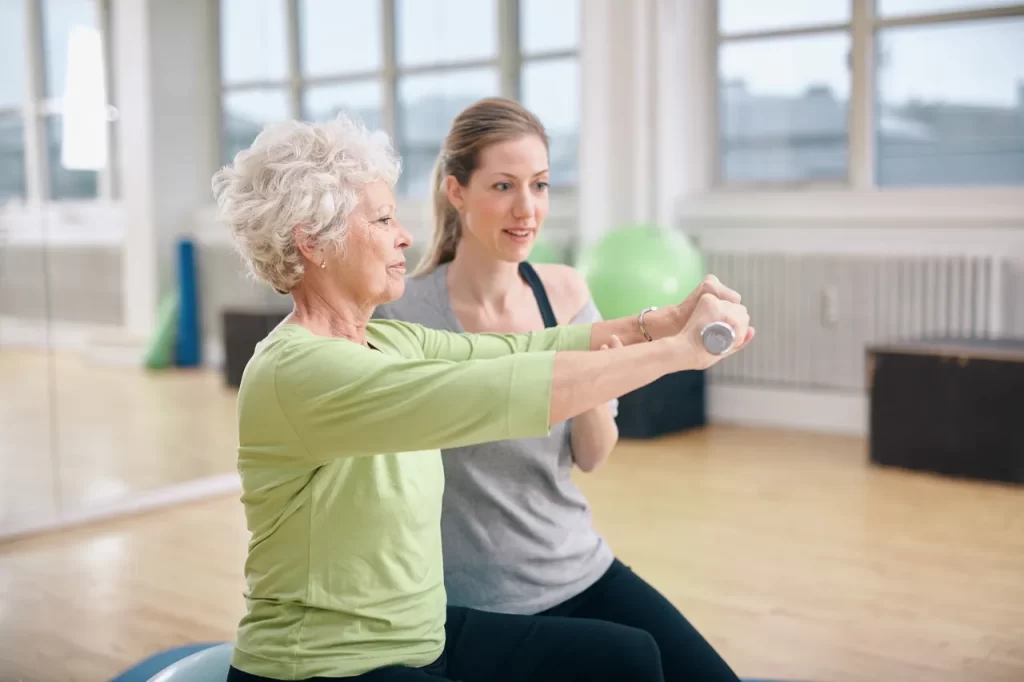
Independent Senior Living Facilities and Services Senior Assisted Living Facilities Adult Foster Care Homes / Adult Care Homes Retirement Communities Dementia Home Care Services Dementia Care Facilities Alzheimer’s Care Palliative Care Memory Care Adult Day Care Services Adult Day Facilities Respite Care Services Hospice Care Our mission is to simplify your senior years journey by taking the guesswork out of finding the right home for your needs meeting various levels of senior care. We have excellent relationships with facilities offering levels of senior care. The Type of Care each placement is customized to yours or the needs of your loved one. Our continued dedication to client’s happiness and well-being brings us exceptional peer reviews within elderly care services communities. We work with you fitting your senior living needs and budget. Offering you A Graceful Transition to Senior Living for you or your loved one with supportive, compassionate service.
Gwenn M

LaVona – Senior Living Advisor Specialist answered our call! It’s really difficult to have to place an aging parent into a facility, but our family knew it was time. So I did some research, called 15 facilities, and managed to get on one wait list. I also called two companies that assist with finding homes, and they said they could not help. We were concerned we wouldn’t find a place, and if we did, it could be a very poor choice for our dad. Then I was given a phone number and I spoke with a lovely woman named LaVona. That’s when everything changed! LaVona, Senior Living Advisor, listened to our family’s needs, was understanding, and within days, she had arranged places for us to visit. How she found them, I don’t know, but she did! She met us there, listened some more, answered questions, and offered sage advice. We will forever be grateful for the help in making this very tough decision. We absolutely know that my dad is in the right place to spend the rest of his life. And, we wouldn’t have that assurance today, had we not been connected with their wonderful service! They have blessed us greatly and we are sharing their information with others we know who are going through the same process. Gwenn Thanks from our Team Gwenn Gave AGT The BEST Senior Living Review! We love being a top rated resource for assisted living near by in Oregon! At Graceful Transition we know Senior Placement can be complex! We know this. We do all we can to present only the best so the major issues are not in your line of sight detracting you from the people who matter most in your life. To Gwenn we write: Thank you so much for working with me to place your sweet senior in great care ♡. It is an honor to serve your family and so much fun too. I love what we do and families like yours remind us why we love serving seniors and families and community. That is why this message from Gwenn is so special to us. Thank you Gwenn you deserve all the credit. Trusting the placement of a loved one in our hands takes trust and you trust us. Thank you for loving your parents so much that we could earn and keep your trust.
Allen
AGT is God Sent – Senior Living Referral Advisor Several months ago we faced the issue of placing a loved one into senior care. My sister and I had no clue on where to start. A friend referred us, we met an old friend and our new agent who would help us. She was God sent. LaVona, a Referral Advisor, was with us every step of the way. In every interview in every tour of facilities in every meeting with facility staff and management even with getting us help with the right legal people. There was no stone unturned with LaVona. I can’t begin to say how we appreciate them and value them. We highly recommend them for all your elder care needs. We couldn’t have done this without them. Allen Thanks from our Team Allen Gave AGT The BEST Senior Living Review! We love being a top rated resource for assisted living near by in Oregon! At Graceful Transition we know Senior Placement can be complex! We know this. We do all we can to present only the best so the major issues are not in your line of sight detracting you from the people who matter most in your life.
So
Senior Living that is SO Good! Dear LaVona, Hideko (Shuko) So, my sister in-law, moved from Robinson Rehab to Markham House Assisted Living yesterday afternoon. What a relief and blessing that you helped make “A Graceful Transition” for her and for our whole family. It would not have happened without your competent and articulate guidance and care. Thank you for caring and for assisting us. Your work is invaluable. Sincerely, Kathy & Tomio – (Family with a Loved One Placed in a fabulous Assisted Living) Thanks from our Team Kathy and Tomio love So Greatly! – They Gave AGT The BEST Senior Living Review! We love being a top rated resource for assisted living near by in Oregon! At Graceful Transition we know Senior Placement can be complex! We know this. We do all we can to present only the best so the major issues are not in your line of sight detracting you from the people who matter most in your life. Call today to learn more at no cost.
Assisted Living Facilities Near Me -Best Brain Health – Dementia

Senior Living Article Focus: You Best Brain Health before and after Dealing with Dementia Life Transitions Series is a group of Posted Articles which will help all of us to understand the Transitions which eventually happen to us all. We will ask and attempt to discuss What transitions do older adults face? Dealing with Dementia is simple. Dementia is a group of conditions characterized by impairment of at least two brain functions, such as judgment and memory loss. Some symptoms in a person with Dementia includes forgetfulness, limited social skills, and thinking abilities so impaired that it interferes with daily functioning. There is good news; Medications and therapies may help manage symptoms. Some causes of Dementia are reversible with care. Dealing with Dementia There are things that must be remembered when dealing with a person who has dementia. These will vary somewhat through the stages. Always remember that you are dealing with a person, an individual, who is losing their independence. This is frightening and frustrating to them; especially in the first stages. Make suggestions; do not give orders. Do not point out small failures like not turning off the stove, not flushing the toilet, not getting to the bathroom on time, just anything that should be done but is not. These are indications of their needing assistance and will give you an idea of the level of their dementia and the amount of decline. Simply go behind them and make the corrections that are needed. If they notice that you are doing this cover with everyone makes mistakes, no one is perfect and it is taken care of. As dementia progresses the person will remember less and less. They may not remember your name or what you have done for them but they will always remember how you made them feel. If you made them happy you will always be met with a smile. If you made them unhappy you will not be trusted and will be treated accordingly. Memories die but feelings remain. Remembering this will keep you on track. Typical Types of Memory Loss: 1. Amnesia we list three here: Retrograde amnesia: For reference watch Memento with Carrie-Anne Moss. Retrograde means from a time backward. People who have Retrograde amnesia may say; When did we get here?, How did we get here?, Who are you? This Retrograde amnesia is the inability to recall memories from before a specific event, such as a head injury or illness. So they may forget everyone from a section of time maybe they remember themselves as a teenager backward. Anterograde amnesia: Anterograde means from a time forward. People with this condition have trouble forming new memories after the specific event. They can maintain a conversation or even say they remember something that recently happened but they really don’t when quizzed on the specifics. Transient global amnesia: A temporary form of amnesia that lasts for a few hours to a few days. 2. Mild Cognitive Impairment (MCI): Not severe enough to interfere with ADLs or Activities of Daily Living, yet a decline in memory and other cognitive functions is noticeable. 3. Dementia: Think of Dory from the movie Finding Nemo. A progressive decline in cognitive abilities, including memory, that significantly impairs daily functioning. Common types of dementia include Alzheimer’s disease which you may have heard of, vascular dementia relating to the vascular system, and frontotemporal dementia having to do with the front portion of a persons brain. 4. Post-Traumatic Amnesia: Think of the movie Overboard with Goldie Hawn. Or Regarding Henry with Harrison Ford. Memory loss that occurs after a head or a traumatic brain injury (TBI). 5. Psychogenic Amnesia: Trauma or stress can also cause memory loss since such events carry psychological factors. 6. Age-Related Memory Loss: A gradual decline in memory fortunately this is a normal part of aging. May we all forget we have wrinkles and forget our age. Other Causes of Memory Loss: Brain tumors, Stroke, Infections, Medication side effects, and Thyroid disorders. Remember, memory loss can be a symptom of various underlying conditions, those that are seemingly simple and complex. Should you ever experience memory problems no matter how small, it’s essential to consult a healthcare professional. This article and those appearing on our website do not ever substitute for proper professional diagnosis and treatment of your personal doctor. Movies Dealing with Memory Loss Read more from LaVona: Losing a Loved One: Bereavement – Cope with Grief over the Loss of a Loved One Here are more resources to help you learn more about Dementia and this Life Transition: CDC looks at Dementia as a possible Life Transitions – What Is Dementia? Life Transitions Short Term Memory Loss Life Transitions: Immediate Memory Memory Loss (Short- and Long-Term)
Assisted Living Near Me – Best Brain Health – Memory Loss

Long Term Memory and Short Term Memory Transitions How do we make a graceful transition into elder care? The Assisted Living Near Me Collection of Articles is a group of AGT Articles which will help all of us to understand A Graceful Transition into aging. Eventually aging happens to us all. We will discuss best brain health: What kind of graceful transition options for living situations do older adults face? This may include Assisted Living Near Me, or Memory Care, Adult Care Home or Facilities. Whatever you plan for we help you every step along the way. Recognition Short term memory loss occurs along with Immediate Memory Loss and is apparent to those close to the person starting on that horrible voyage called dementia. No person goes on this journey alone and no one is left untouched. Short term memory loss occurs early in the progression of dementia. You may become aware of it by asking the person what happened in their day and they are unable to tell you. They may think it is time to eat just minutes after they have eaten. They do not remember a conversation that you have had with them just moments after it occurred. They become upset with you for withholding information that has recently been given to them. Short Term Memory Care Short term memory loss is very upsetting when you observe it. Imagine, if you would, how devastating it is to the person actually experiencing it and reminded of it at every turn. It makes them frustrated and angry at what they realize they are losing. This anger and frustration can be directed at you; the person they are closest to. What to Expect Short term memory loss makes a person unable to multitask. It makes them unable to do things that were second nature to them like make a bed and answer the phone when it rings during the process. It makes them unable to answer a question while performing a simple task. It accounts for the inability to turn off the stove when a mundane task is completed. It makes them believe that no one cares since they do not remember recent communications. In short, it makes them feel like they are losing control, which is in fact, what is happening to them. Before Assisted Living – How to Help How do we deal with short term memory and provide the graceful transition that is needed? Perhaps a calendar with any appointments that they need to be aware of and a reminder to look at that calendar until it becomes an intricate part of their daily functions. Try a journal that you keep for them recording calls or visitors that they have received. You can also record, in that journal, meals they have had and times they had them. A strict schedule of meal times seems to help and it gives them structure to their day. Do not mention any short comings, just check on them and make any adjustments that need to be made, like turning off the stove, closing the refrigerator, flushing the toilet, and seeing that they have taken their medications. Long Term Memory Care During this time their long-term memory may well be intact. You will find that they will tell you stories over and over again. Know that they do not remember that you have heard these stories numerous times. Also know that these memories are all that they have to talk about since they do not remember what happened this week, today, or 30 minutes prior to the telling. Listen, perhaps make notes of these conversations. Trust me, you will want to remember them later when the talking ends. Long term memory will end along with the frustration since they will no longer be aware of their losses. The time will come when they may need reminding to toilet, brush their teeth, bathe and they’ll be unable to fix their own meals or make decisions as to what those meals will be. The most difficult thing for those of us who live with dementia, that is not our own, is that we lose the person that we know and love long before we actually lose them. Understand that mourning their loss begins long before we mourn their death. Read more from LaVona Here are more resources to help you learn more about Short Term Memory Loss and this Life Transition: Mayo Clinic look at this Life Transitions – healthy lifestyle for aging an in depth look at memory loss Contact us about finding your ideal placement or Assisted Living Near Me
Assisted Living Facilities – Best Brain Health – Memory Care
Immediate Short Term Memory Transitions Assisted Living Transitions Series is a group of AGT Articles which will help all of us to understand the Transitions which eventually happen to us all. We explore types of care facilities for people with memory issues. This may be Dementia or Alzheimer’s. Long-term care for people with Alzheimer’s disease or other kinds of dementia can take many forms, including: Assisted living facilities. An Assisted Living Community is the type of facility that provides a balance between independent living with a range to full assistance. We all need to know what happens and where the best placements for our elders are as we all age. For some the best is nursing homes near me, for others Community Senior Living, for others we will need Assisted Living near me or Long Term Care. Here we discuss what transitions older adults face. Immediate Memory #1 Immediate Memory is a new term for me and I have dealt with different levels of dementia for years. Are you living with a person or caring for a person and you are aware of the fact that they are suffering from dementia? Are you unable to obtain support because they perform well for short periods of time? Knowledge is power! Immediate Memory is what occurs early in dementia progression. It is what those closest to a person, who spend extended periods of time with that person, recognize as dementia. They are able to carry on a conversation that makes them appear cognizant but often quickly forget that the conversation happened. A phone call or a short visit is not enough to convince anyone that they are beginning to lose their memory. A visit to the doctor does not accomplish getting a diagnosis of dementia because they are at their best during these visits. They become angry and agitated if you point out that a conversation actually happened that they don’t remember. They get defensive if you point out that they did not take their medications. They accuse you of not sharing information with them. You feel stuck and alone because of the lack of support you are getting and the additional care that you are unable to provide for your loved one. Immediate Memory #2 The ”being able to carry on a conversation” is immediate memory. Short term memory loss is when they do not remember the conversation 20 minutes later. They do not remember the conversation and will let you know that they have not heard from that person for a long period of time. The solution: Document conversations that are forgotten so that you have factual information to share with the physician and with those who are in denial. Avoid arguments with the person you are caring for. If family members refuse to believe; arrange for them to spend several days with the person so that they can see first hand and become aware and supportive. Short phone calls and short visits will not work. Share your responsibility by arranging for “enlightening” visits. You will feel better. You will gain support. Your loved one will be safe. Immediate Short Term Memory Transitions are Common life transitions. Life Transitions, for example; retirement, becoming empty-nesters, moving and, or downsizing, personal loss, health issues, as we grow older social interaction can decrease, and social status and financial upticks could also change due to rising costs. As we age, we may experience a decline in health. The death of a spouse affects men and women differently the death of a close family member or friend. We all encounter some impactful life transitions. Immediate Memory. What is an example of immediate memory? The drive from work everyday may have many details all in Immediate Memory. We put the information there until we determine its value. Then, if we need the face of the man in the crosswalk or the license plate number of the woman in front of us we have that information. Immediate Memory is temporary brain storage until we make a decision on how to use or dispose of it. Subconsciously or consciously our brain holds details for roughly 30 seconds. Read more from LaVona: Losing a Loved One: Bereavement – Cope with Grief over the Loss of a Loved One Learn about Short Term Memory Loss and this Life Transition: Mayo Clinic look at this Life Transitions – healthy lifestyle for aging an in depth look at memory loss Nelson Cowan – Progress in Brain Research – What are the differences between long-term, short-term, and working memory?