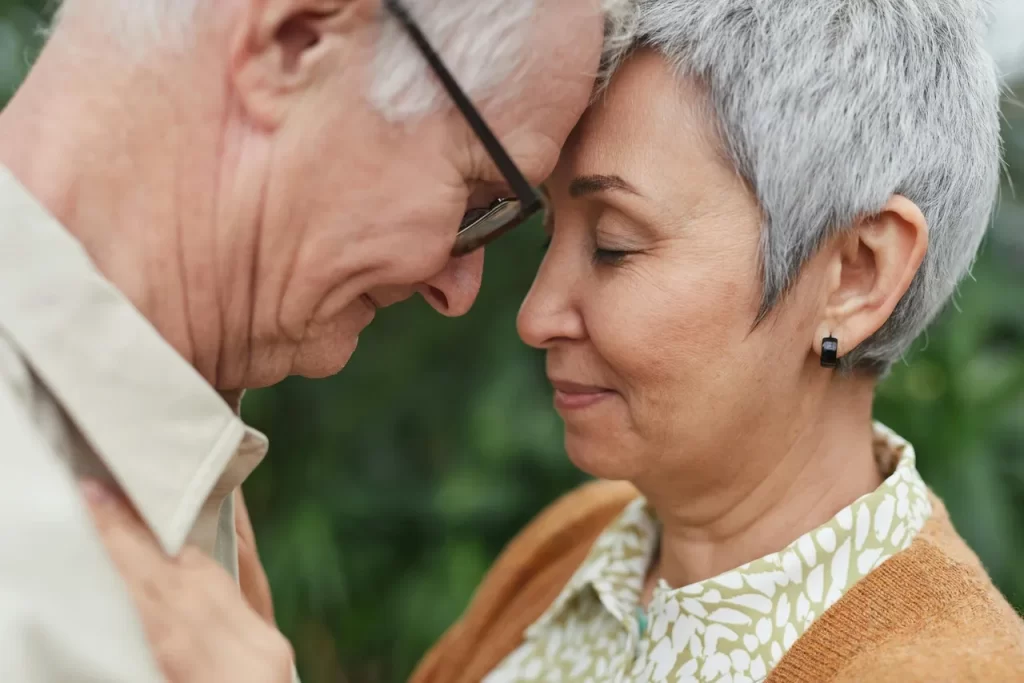
Aging Together
Caregiver – Should I be the one?
I wrote this letter to a friend. She is considering being a caregiver for her loved one. Well this begs the question with clasped hands and on the knees; “Should I be the one?”
Many of us will ask this question, so I thought, well you are all my friends! So here it is. This encapsulates my personal experience in caring for others both myself and watching my loved ones travel through similar caregiver adventures.
Dear Loved Friend,
I believe in marriage and the vows in sickness and in health, and until death do us part. I believe strongly in caring for one another, and I strongly support those who do. I also firmly believe that, as in all situations, there is more than one way to accomplish this. I want to look closely at the aging process and how it relates to this. Please come with me with an open mind as we navigate this inevitable process together.
First, let's examine your home and determine whether it meets your and your spouse's needs as you age.
- As ambulation becomes a problem, how many levels are involved? If there is more than one, you may be in trouble.
- Are you able to navigate between rooms with ease?
- If there is an emergency, are 1st responders able to get to you easily?
- If there is a fire, are you able to get out quickly?
Second, is one spouse the best person to care for the other spouse?
- How severe are the cared-for spouse's needs?
- How well and how strong is the caring spouse?
- What is the attitude of the spouse who is being cared for? A spouse tends to be very resistant to being cared for by their spouse. It goes against the natural order of things.
- How much training does the caring spouse have?
The first inclination is always, and understandably, to care for the loved one at home. This is honorable, but not always the best answer to a complex problem. More often than not, the right solution is to give care to those qualified to provide it. This allows the spouse to step back into the role of a loving spouse, able to direct the care while being present to give the love and support that are needed. This is actually the more critical role and one that, if they are the caregiver, they often do not have time for.
The cared-for spouse does not have to worry about the caregiver spouse hurting themselves while caring for them. They are not humiliated by losing their role in the family. They are pampered by a loving spouse while receiving the outstanding care they need.
LaVona Tomberlin
Here is what we all need to take away from my letter to you:
Navigating Aging Together: Love, Care, and the Courage to Choose What’s Best
Marriage is built on promises — in sickness and in health, until death do us part. These vows represent more than words; they embody a lifelong commitment to care, compassion, and partnership. As we and our loved ones age, these vows take on new meaning. The question becomes not only how to care, but how best to care — with dignity, safety, and love.
Aging is inevitable, but with thoughtful planning and an open mind, it can be navigated gracefully. Let’s take a closer look at how to prepare your home, your relationship, and your mindset for this important chapter.
Step 1: Assess Your Home for Aging in Place
Many couples want to remain in their homes as they age — and with the right environment, this can be a safe and fulfilling option. Start by asking a few key questions:
Is Your Home Safe for Mobility and Emergencies?
How many levels are in your home?
If your home has multiple floors, mobility challenges could become a major concern. Stair lifts, ramps, or single-level living options may become necessary.Can you move easily between rooms?
Widening doorways, reducing clutter, and removing trip hazards can help maintain independence and reduce falls.Can first responders access your home quickly in an emergency?
Ensure that entrances are clearly marked, doors can be opened easily, and emergency plans are in place.If there’s a fire or emergency, could you exit safely?
Having an accessible exit route is essential — especially for those with limited mobility or reliance on medical equipment.Do you have an easy escape route if there’s a fire?
Plan and practice emergency exits that account for mobility challenges.
Tip: A home safety evaluation by a senior living specialist can identify hidden risks before they become emergencies.
Taking time to evaluate your home for senior safety today can prevent accidents and heartache later.
Step 2: Ask If Spousal Caregiving Is the Best Option
When a spouse becomes ill or frail, the instinct is often to provide care at home. This is understandable — it comes from love and loyalty. But caregiving is a demanding role that requires emotional, physical, and sometimes medical strength.
Consider these important questions:
How severe are your spouse’s care needs?
Some health conditions require 24-hour attention or specialized care that is difficult for an untrained person to manage.Is the caregiving spouse physically able and emotionally prepared?
Lifting, bathing, and daily assistance can be physically taxing. Over time, it can also take an emotional toll. Caregiving can be strenuous and emotionally draining, often leading to caregiver burnout.How does the cared-for spouse feel about being cared for by their partner?
Many people struggle with losing their sense of independence or reversing traditional roles within the marriage. The cared-for-spouse can feel uncomfortable or humiliated being dependent on their partner. These feelings are normal and deserve sensitivity and compassion.Does the caregiver spouse have training or support?
Even the most devoted spouse may need professional guidance to ensure safety and proper care.
Tip: Is it possible? Yes, but you both deserve to ponder the following; “Just because I can does not mean I should.”
Step 3: Redefine What It Means to “Care”
Caring for your spouse doesn’t always mean doing everything yourself. Sometimes, the most loving choice is to enlist professional help — allowing you to return to your role as a devoted partner rather than a full-time caregiver.
When professionals provide skilled assistance, both spouses benefit:
The caregiver spouse can focus on emotional support and companionship instead of exhausting physical labor.
The cared-for spouse receives high-quality, consistent care without worrying about burdening their loved one.
The marriage itself is preserved — filled with mutual respect instead of exhaustion. Both partners preserve their relationship dynamics — rooted in love, not in obligation or exhaustion.
- Tip: Allowing others to help isn’t a failure of love. It’s love expressed through wisdom.
This approach honors the marriage vows by protecting both spouses’ well-being. It ensures that love remains at the center of care.
In Summary:
Choosing Love Over Exhaustion is OK
Aging together is both a privilege and a challenge. It invites couples to live out their vows in the truest sense — not through sacrifice alone, but through wisdom and partnership.
By preparing your home, evaluating care needs honestly, and embracing professional help when necessary, you’re not giving up — you’re giving more: more love, more time, more peace of mind.
Let’s continue this conversation about how to age with grace, dignity, and love. Whether through home modifications, professional care, or community support, there’s more than one way to honor your vows — and all of them begin with compassion.
Related Key Support Topics to Search
aging in place | home safety for seniors | spousal caregiving | senior living options | caring for aging parents | caregiver burnout | aging together | elder care support