
Hope for Alzheimer’s

Groundbreaking study published as a preprint on medRxiv (February 2026) challenges the long-held view that Alzheimer’s disease (AD) is purely a brain disease. Instead, it highlights the peripheral immune system as a major player in Alzheimer’s risk.
The First 90 Days After a Dementia Diagnosis: What Families Should Know

Senior Care Resource Dementia Care Guide for Oregon Families When you need dementia help Oregon to determine if your loved one needs memory care Oregon or Assisted Living, AGT is here to help deliver caring options for your dementia parent. Table of Contents: Dementia Care Guide How to Care for a Parent with Dementia 7 Signs a Parent with Dementia Needs Assisted Living Memory Care vs Assisted Living The First 90 Days After a Dementia Diagnosis Dementia – Coffee and Healthy Aging The First 90 Days After a Dementia Diagnosis Receiving a dementia diagnosis can feel overwhelming. Many families feel unsure where to begin. The first few months after diagnosis are often the most important time for planning, education, and support. Step 1: Learn about the condition Understanding dementia helps families adapt communication and expectations. Our guide How to Care for a Parent with Dementia explains practical caregiving strategies. Step 2: Build a support network Caregivers benefit greatly from support groups and professional guidance. Organizations like the Alzheimer’s Association provide education and counseling. Step 3: Address safety concerns early Simple home modifications can reduce risk: Removing trip hazards Installing stove shut-off devices Creating medication routines Step 4: Begin long-term planning Families should discuss: Financial planning Healthcare decisions Future living arrangements Planning early reduces stress later. Zero Cost to Families We are here to answer your questions and more Call Button All Posts Dementia The First 90 Days After a Dementia Diagnosis: What Families Should Know March 14, 2026/ The First 90 Days After a Dementia Diagnosis Receiving a dementia diagnosis can feel overwhelming. Many families feel unsure where… Read More Memory Care vs Assisted Living: What Families Should Know March 14, 2026/ Memory Care vs Assisted Living: What Families Should Know Families with a loved one who is experiencing memory care issues… Read More 7 Signs a Parent with Dementia May Need Assisted Living March 14, 2026/ 7 Signs a Parent with Dementia May Need Assisted Living Families caring for someone with dementia often reach a difficult… Read More Load More End of Content.
Memory Care vs Assisted Living: What Oregon Families Should Know

Senior Care Resource Dementia Care Guide for Oregon Families When you need dementia help Oregon to determine if your loved one needs memory care Oregon or Assisted Living, AGT is here to help deliver caring options for your dementia parent. Table of Contents: Dementia Care Guide How to Care for a Parent with Dementia 7 Signs a Parent with Dementia Needs Assisted Living Memory Care vs Assisted Living The First 90 Days After a Dementia Diagnosis Dementia – Coffee and Healthy Aging Memory Care vs Assisted Living: What Families Should Know Families with a loved one who is experiencing memory care issues will eventually need help. We supply our guide to help you as you begin exploring memory care options. Families often wonder: What is the difference between assisted living and memory care? Understanding the difference can help ensure your loved one receives the right support. If you are early in the caregiving journey, you may want to start with our article How to Care for a Parent with Dementia. Assisted Living Assisted living communities help seniors who need support with daily activities but still maintain a level of independence. Services often include: Meal preparation Medication reminders Housekeeping Transportation Social activities Residents typically have private apartments and participate in community life. Memory Care Memory care is designed specifically for people living with dementia. These communities provide: Specialized dementia-trained staff Structured routines Secure environments to prevent wandering Cognitive and sensory activities Memory care programs are designed to reduce confusion and promote comfort. How to Know Which Is Right Many families first explore assisted living and later transition to memory care as dementia progresses. If you are unsure when that transition may be necessary, our guide 7 Signs a Parent with Dementia May Need Assisted Living may help. Zero Cost to Families We are here to answer your questions and more Call Button All Posts Dementia The First 90 Days After a Dementia Diagnosis: What Families Should Know March 14, 2026/ Senior Care Resource Dementia Care Guide for Oregon Families When you need dementia help Oregon to determine if your loved… Read More Memory Care vs Assisted Living: What Families Should Know March 14, 2026/ Memory Care vs Assisted Living: What Families Should Know Families with a loved one who is experiencing memory care issues… Read More 7 Signs a Parent with Dementia May Need Assisted Living March 14, 2026/ Senior Care Resource Dementia Care Guide for Oregon Families When you need dementia help Oregon to determine if your loved… Read More Load More End of Content.
7 Signs a Parent with Dementia May Need Assisted Living

Senior Care Resource Dementia Care Guide for Oregon Families When you need dementia help Oregon to determine if your loved one needs memory care Oregon or Assisted Living, AGT is here to help deliver caring options for your dementia parent. Table of Contents: Dementia Care Guide How to Care for a Parent with Dementia 7 Signs a Parent with Dementia Needs Assisted Living Memory Care vs Assisted Living The First 90 Days After a Dementia Diagnosis Dementia – Coffee and Healthy Aging 7 Signs a Parent with Dementia May Need Assisted Living Families caring for someone with dementia often reach a difficult moment: realizing that the level of care needed may be more than one household can safely provide. Recognizing the signs early can help families make thoughtful decisions rather than waiting for a crisis. If you are new to dementia caregiving, you may wonder where to begin! Start with our guide How to Care for a Parent with Dementia. which explains the basics of supporting a loved one with memory loss. These articles are prepared by the team at A Graceful Transition, specialists in helping families navigate senior living decisions, including memory care and assisted living placement. Below are seven signs that additional care may be necessary. 1. Safety concerns increase Leaving appliances on, wandering outside, or forgetting medications can put a loved one at risk. Memory care communities are designed with safety features that reduce these risks. 2. Frequent falls or medical emergencies Dementia can affect coordination, balance, and judgment. Staff in assisted living and memory care communities are trained to respond quickly to health issues. 3. Caregiver exhaustion Many family caregivers experience burnout. When caregiving begins affecting: work sleep health additional support is needed. 4. Increased confusion or agitation As dementia progresses, behavioral changes can become more difficult to manage at home. Structured environments often help reduce anxiety. 5. Difficulty with daily tasks Eating, bathing, dressing, and medication management may require supervision. 6. Social isolation People with dementia benefit from regular social interaction. Communities provide activities designed to stimulate memory and engagement. 7. Wandering behavior Wandering is common in dementia and can become dangerous. Memory care environments are designed to prevent unsafe wandering. Making the Decision Moving a parent into assisted living or memory care is rarely easy. However, many families find ease. There are benefits knowing that our loved one are in a place filled with care professionals. Finally, the choice is clear. The main take away is when our parent becomes calmer. Eventually it is clear, they are safer in an environment designed for dementia care. For a deeper comparison of care options, read our article Memory Care vs Assisted Living: What Families Should Know. Zero Cost to Families We are here to answer your questions and more Call Button All Posts Dementia The First 90 Days After a Dementia Diagnosis: What Families Should Know March 14, 2026/ Senior Care Resource Dementia Care Guide for Oregon Families When you need dementia help Oregon to determine if your loved… Read More Memory Care vs Assisted Living: What Families Should Know March 14, 2026/ Memory Care vs Assisted Living: What Families Should Know Families with a loved one who is experiencing memory care issues… Read More 7 Signs a Parent with Dementia May Need Assisted Living March 14, 2026/ 7 Signs a Parent with Dementia May Need Assisted Living Families caring for someone with dementia often reach a difficult… Read More Load More End of Content.
How to Care for a Parent with Dementia

Senior Care Resource Dementia Care Guide for Oregon Families When you need dementia help Oregon to determine if your loved one needs memory care Oregon or Assisted Living, AGT is here to help deliver caring options for your dementia parent. Table of Contents: Dementia Care Guide How to Care for a Parent with Dementia 7 Signs a Parent with Dementia Needs Assisted Living Memory Care vs Assisted Living The First 90 Days After a Dementia Diagnosis Dementia – Coffee and Healthy Aging How to Care for a Parent with Dementia: Practical Tips for Families When a parent develops dementia, many families find themselves asking the same question: How do we care for someone we love while keeping them safe, respected, and supported? Dementia affects memory, reasoning, and daily functioning, and caring for someone with the condition can feel overwhelming at first. The good news is that research over the past decade has improved our understanding of dementia care dramatically. With the right approach, families can create an environment where loved ones feel safe, connected, and valued. Understanding dementia—and learning a few practical caregiving strategies—can make this life transition easier for everyone involved. Understanding Dementia Dementia is not a single disease. It is a group of conditions that affect memory, thinking, and the ability to perform everyday activities. Common symptoms may include: Memory loss that disrupts daily life Difficulty finding words or following conversations Changes in judgment and decision-making Confusion about time or location Changes in mood or personality According to the Alzheimer’s Association, more than 55 million people worldwide live with dementia, and that number is expected to rise as populations age. The National Institute on Aging notes that while most forms of dementia are progressive, modern treatments and supportive environments can significantly improve quality of life. Some memory issues—such as vitamin deficiencies, medication interactions, infections, or sleep disorders—may even be reversible when properly treated. Early Signs Families Often Notice First Many families recognize dementia through subtle changes rather than dramatic events. Common early warning signs include: Repeating the same questions Misplacing items frequently Difficulty following familiar recipes or tasks Getting lost in familiar places Personality changes or withdrawal from social activities Recognizing these signs early can help families seek evaluation and support sooner. 5 Helpful Tips for Caring for Someone with Dementia Modern dementia care focuses less on correcting mistakes and more on creating comfort and connection. 1. Create consistent routines Daily routines help reduce confusion and anxiety. Regular times for meals, activities, and sleep help the brain feel more secure. 2. Use gentle suggestions rather than instructions Instead of saying: “Turn off the stove.” Try: “Let’s double-check the kitchen together.” This preserves dignity while still solving the problem. 3. Avoid correcting small mistakes If a loved one forgets something minor, correcting them may create frustration without improving safety. Quietly fixing the issue is often the best approach. 4. Focus on emotions rather than memory People with dementia may forget details of conversations but still remember how they felt during the interaction. A calm voice, patience, and humor often matter more than perfect communication. 5. Encourage movement and social interaction Research from the Centers for Disease Control and Prevention shows that physical activity and social engagement can help maintain cognitive function longer. Even simple activities—short walks, music, or shared meals—can make a meaningful difference. When Dementia Care Becomes Too Much for One Person At some point many families realize caregiving has become difficult to manage alone. Signs that additional support may be needed include: Safety concerns such as wandering or falls Difficulty managing medications Increasing confusion or nighttime wakefulness Caregiver exhaustion If you are wondering whether it might be time for additional support, our guide on “7 Signs a Parent with Dementia May Need Assisted Living” can help families evaluate the situation. Dementia Resources for Families Several organizations provide valuable support and education for caregivers. Alzheimer’s Association Provides caregiver support groups, educational resources, and a 24-hour helpline. National Council on Aging Offers guidance on financial planning, benefits, and aging resources. Administration for Community Living Supports programs that help older adults remain independent and engaged in their communities. You Are Not Alone in This Transition Caring for someone with dementia is not about doing everything perfectly. It is about preserving dignity, maintaining connection, and creating moments of comfort. Families who understand the condition—and know where to find support—often discover that the journey becomes much more manageable. If you are beginning to explore care options, our articles on memory care, assisted living, and dementia care planning can help guide you through the next steps. Zero Cost to Families We are here to answer your questions and more Call Button All Posts Dementia The First 90 Days After a Dementia Diagnosis: What Families Should Know March 14, 2026/ Senior Care Resource Dementia Care Guide for Oregon Families When you need dementia help Oregon to determine if your loved… Read More Memory Care vs Assisted Living: What Families Should Know March 14, 2026/ Memory Care vs Assisted Living: What Families Should Know Families with a loved one who is experiencing memory care issues… Read More 7 Signs a Parent with Dementia May Need Assisted Living March 14, 2026/ Senior Care Resource Dementia Care Guide for Oregon Families When you need dementia help Oregon to determine if your loved… Read More Load More End of Content.
Helping Families Find the Right Senior Living

Find Senior Living Solutions for parents as we age with AGT A beautiful daughter of an aged couple came to our team looking for the right senior living solutions for her parents. Each parent had different needs and preferences. Her mom was excited about the idea of living in a social, active senior community, while her dad preferred a quieter environment where he could enjoy his own space. To help the family explore their options, we arranged tours of several adult care homes and active senior living communities in the area. Initially, Dad selected a comfortable adult care home, while Mom was looking forward to moving into an active senior community where she could meet new friends and stay involved. Then something special happened. After more conversations about the future, Mom and Dad decided they both wanted to live in the same active senior living community, allowing them to stay together while maintaining their independence. Helping families navigate these decisions and find the right senior housing solutions is incredibly rewarding for our team. Our team helps families compare adult care homes, assisted living, and active senior communities to find the best fit for their loved ones. Schedule your free senior care consultation. Let us guide you to the right community — with confidence and peace of mind. Click Here
Dementia – Coffee and Healthy Aging

Senior Care Resource Dementia Care Guide for Oregon Families When you need dementia help Oregon to determine if your loved one needs memory care Oregon or Assisted Living, AGT is here to help deliver caring options for your dementia parent. Table of Contents: Dementia Care Guide How to Care for a Parent with Dementia 7 Signs a Parent with Dementia Needs Assisted Living Memory Care vs Assisted Living The First 90 Days After a Dementia Diagnosis Dementia – Coffee and Healthy Aging Coffee and Healthy Aging: What Oregon Seniors Should Know About New Research on Longevity For adults across Oregon, morning coffee is more than a routine — it’s part of daily life, community culture, and social connection. Now, new research suggests it may also be linked to how well we age, specifically regarding dementia. A major long-term study led by Dr. Sara Mahdavi at Harvard University tracked more than 47,000 women for decades and found that higher coffee intake was associated with improved odds of healthy aging. For families, caregivers, and older adults planning for long-term wellness, these findings add another piece to the healthy-aging puzzle. What the 30-Year Study Found Researchers analyzed data from the Nurses’ Health Study, one of the largest and longest-running health datasets in the world. They followed participants from midlife into older adulthood and evaluated “healthy aging” using strict criteria: Living to age 70 or beyond No major chronic diseases Strong cognitive function Physical independence Positive mental health People who drank higher amounts of coffee — including up to roughly seven small cups daily — showed about a 13% greater likelihood of healthy aging compared with very low caffeine consumers. Why This Matters for Healthy Aging in Oregon Communities Across the Pacific Northwest, healthy aging is a growing priority. Oregon’s population over age 65 is expanding rapidly, and families increasingly search for evidence-based lifestyle habits that support independence and vitality. This research suggests coffee may contribute to: Reduced inflammation Antioxidant protection Cardiovascular support Brain health maintenance Importantly, researchers stress this is an association, not proof that coffee directly causes longevity. Diet, exercise, sleep, stress, environment, and social connection still play the dominant roles. Not All Caffeine Sources Work the Same One of the study’s most interesting findings: the benefit was linked specifically to caffeinated coffee. Researchers did not find the same association with: Soda Energy drinks Decaffeinated coffee That distinction suggests coffee’s natural compounds — such as polyphenols and plant antioxidants — may be key contributors. Practical Coffee Guidelines for Older Adults Health professionals generally consider moderate caffeine intake safe for most adults. Practical recommendations include: Stay under ~400 mg caffeine daily unless advised otherwise Choose low-sugar or unsweetened coffee Avoid late-day caffeine if sleep is affected Consult a clinician if you have heart conditions or medication interactions For many older adults, the healthiest approach is balance — not extremes. The Bigger Picture: Aging Well Is Multifactorial While coffee may play a small supportive role, experts emphasize that no single habit determines longevity. The strongest predictors of healthy aging remain: Physical activity Nutrient-dense diet Strong social ties Cognitive engagement Preventive healthcare Coffee, in this context, may be best viewed as a complementary habit, not a primary intervention. Zero Cost to Families We are here to answer your questions and more Call Button All Posts Dementia The First 90 Days After a Dementia Diagnosis: What Families Should Know March 14, 2026/ Senior Care Resource Dementia Care Guide for Oregon Families When you need dementia help Oregon to determine if your loved… Read More Memory Care vs Assisted Living: What Families Should Know March 14, 2026/ Senior Care Resource Dementia Care Guide for Oregon Families When you need dementia help Oregon to determine if your loved… Read More 7 Signs a Parent with Dementia May Need Assisted Living March 14, 2026/ Senior Care Resource Dementia Care Guide for Oregon Families When you need dementia help Oregon to determine if your loved… Read More Load More End of Content.
Flu and Cold: Senior Citizens

Flu and Cold: What You Need to Know for Senior Citizens
Cold and Flu – What Oregon Families Need to Know
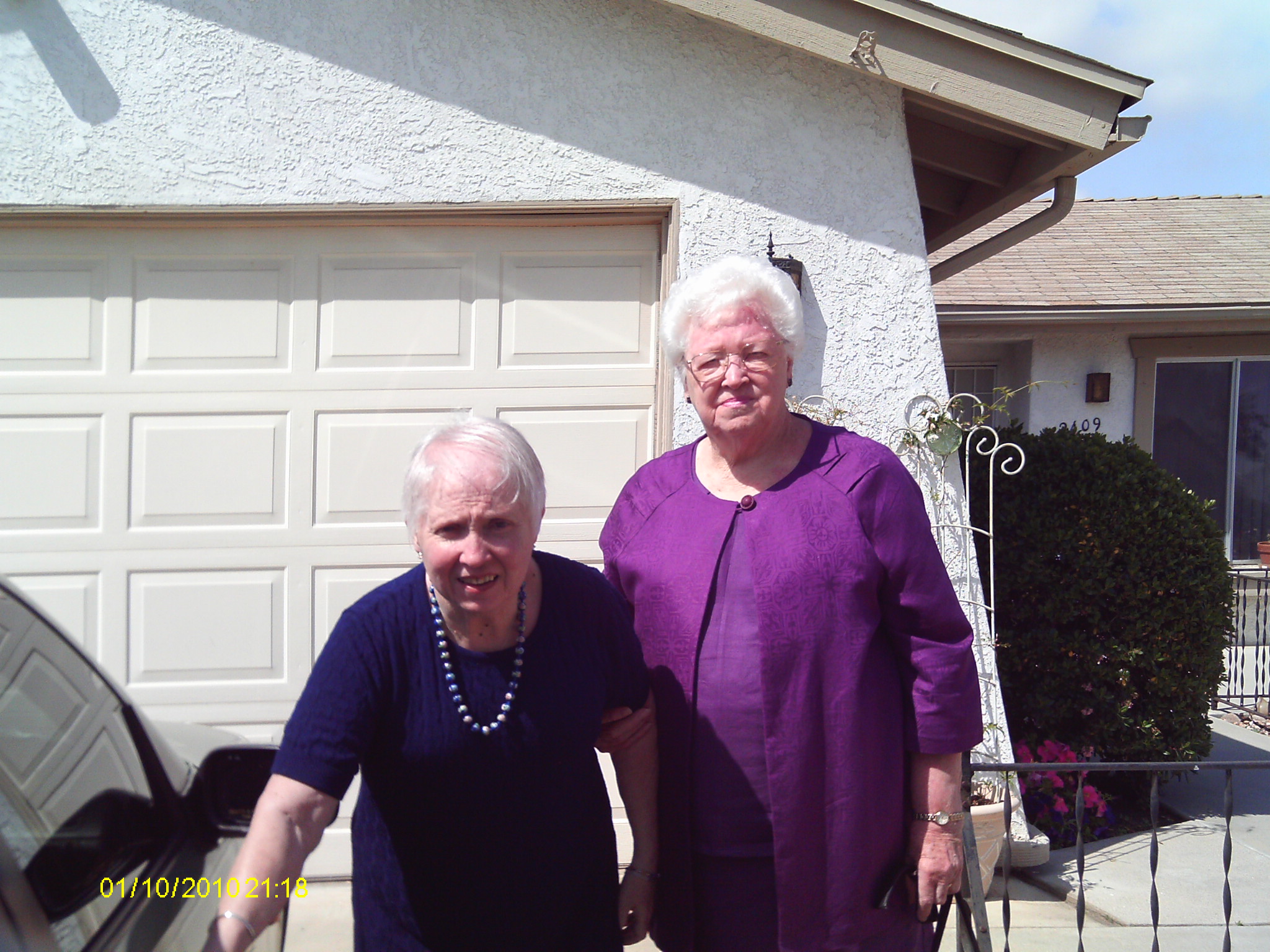
What families want to know about Keeping Seniors Healthy During Respiratory Illness Season
Placement Referral Specialist

What Is a Placement Referral Specialist (PRS)? A Placement Referral Specialist (PRS) is a knowledgeable and compassionate senior living advisor who helps older adults and their families find the right senior housing and care options. The PRS designation is recognized by the National Placement & Referral Alliance (NPRA) as a mark of professionalism, integrity, and excellence in the senior care industry. A PRS provides trusted guidance to families navigating complex care decisions — ensuring that every recommendation aligns with the individual’s needs, preferences, and quality of life goals. Each PRS follows the NPRA Code of Ethics and Best Practices, giving families confidence that they are working with someone who puts care, honesty, and respect first. Why Work with a Placement Referral Specialist? A Placement Referral Specialist does much more than make introductions to senior living communities. They partner with families, listen carefully to their concerns, and simplify what can often feel like an overwhelming process. How a PRS Can Help: Assessing Care Needs: A PRS helps families evaluate their loved one’s health, safety, and lifestyle requirements — whether it’s independent living, assisted living, memory care, or skilled nursing. Exploring Senior Living Options: They provide accurate, up-to-date information on care types, costs, and local resources to support each family’s situation. Simplifying the Process: From researching options to coordinating tours, a PRS streamlines the journey and eliminates uncertainty, allowing families to focus on what truly matters — their loved one’s well-being. Providing Compassionate Support: Having a caring, experienced professional walk beside you through this transition can relieve stress and bring much-needed peace of mind. “It’s an honor to walk this journey with you and your family.” Our PRS consultant is reliable, experienced, and committed to helping families find safe, comfortable, and supportive living arrangements. What Does a Placement Referral Specialist Cost? Here’s the good news — there’s no cost to families when working with a Placement Referral Specialist. PRS professionals are compensated by the senior living communities they recommend, which means families receive expert advice and personalized referrals at no direct cost or hidden fees. This approach benefits everyone: Families receive trusted, professional guidance and save time finding the right senior living option. Senior living communities connect with residents who are a good fit for their services and environment. With a Placement Referral Specialist, families gain expert insight, caring support, and confidence — all without any financial obligation. Key Takeaways PRS = Placement Referral Specialist, recognized by the National Placement & Referral Alliance (NPRA). We offer no-cost senior placement and referral services for families and caregivers. Provides ethical, compassionate, and professional guidance in navigating senior care options. A trusted resource for assisted living, memory care, and senior housing decisions. Description of this Post: Learn how a Placement Referral Specialist (PRS) helps families find the best senior living or care options — at no cost. Trusted, compassionate, and professional guidance for seniors and caregivers. Want to get started? We do too. It starts with a phone call and we will look at these items and more to find the perfect placement. Matched with our expertise we will have not trouble finding your ideal placement. https://www3.multco.us/AdultCareOptions/LevelofCare/LevelofCareWorksheet