Dementia – Coffee and Healthy Aging

Coffee and Healthy Aging: What Oregon Seniors Should Know About New Research on Longevity For adults across Oregon, morning coffee is more than a routine — it’s part of daily life, community culture, and social connection. Now, new research suggests it may also be linked to how well we age, specifically regarding dementia. A major long-term study led by Dr. Sara Mahdavi at Harvard University tracked more than 47,000 women for decades and found that higher coffee intake was associated with improved odds of healthy aging. For families, caregivers, and older adults planning for long-term wellness, these findings add another piece to the healthy-aging puzzle. What the 30-Year Study Found Researchers analyzed data from the Nurses’ Health Study, one of the largest and longest-running health datasets in the world. They followed participants from midlife into older adulthood and evaluated “healthy aging” using strict criteria: Living to age 70 or beyond No major chronic diseases Strong cognitive function Physical independence Positive mental health People who drank higher amounts of coffee — including up to roughly seven small cups daily — showed about a 13% greater likelihood of healthy aging compared with very low caffeine consumers. Why This Matters for Healthy Aging in Oregon Communities Across the Pacific Northwest, healthy aging is a growing priority. Oregon’s population over age 65 is expanding rapidly, and families increasingly search for evidence-based lifestyle habits that support independence and vitality. This research suggests coffee may contribute to: Reduced inflammation Antioxidant protection Cardiovascular support Brain health maintenance Importantly, researchers stress this is an association, not proof that coffee directly causes longevity. Diet, exercise, sleep, stress, environment, and social connection still play the dominant roles. Not All Caffeine Sources Work the Same One of the study’s most interesting findings: the benefit was linked specifically to caffeinated coffee. Researchers did not find the same association with: Soda Energy drinks Decaffeinated coffee That distinction suggests coffee’s natural compounds — such as polyphenols and plant antioxidants — may be key contributors. Practical Coffee Guidelines for Older Adults Health professionals generally consider moderate caffeine intake safe for most adults. Practical recommendations include: Stay under ~400 mg caffeine daily unless advised otherwise Choose low-sugar or unsweetened coffee Avoid late-day caffeine if sleep is affected Consult a clinician if you have heart conditions or medication interactions For many older adults, the healthiest approach is balance — not extremes. The Bigger Picture: Aging Well Is Multifactorial While coffee may play a small supportive role, experts emphasize that no single habit determines longevity. The strongest predictors of healthy aging remain: Physical activity Nutrient-dense diet Strong social ties Cognitive engagement Preventive healthcare Coffee, in this context, may be best viewed as a complementary habit, not a primary intervention. Schedule your free senior care consultation. Let us guide you to the right community — with confidence and peace of mind. Click Here
Senior Home who to TRUST? Senior Referral Credentials

Senior Housing — WHO can I TRUST? Be assured of ethical responsible service with backing of the OSRAA Since 2004, Oregon Senior Referral Agency Association has been a group of referral agents collaborating and sharing of information. In 2011, OSRAA officially established Bylaws and a Code-of-Ethics. Together we are stronger and better able to offer our referred families better ideas and services. Picking your curated senior housing for your loved one is a deeply personal and an important decision. We prioritize safety, comfort, and specialized care for you. Should you be exploring assisted living, memory care, skilled nursing, or independent senior communities, it’s essential to find a setting that aligns with your loved one’s health needs, lifestyle preferences, and emotional well-being. In Oregon, families have access to a range of elder care options that offer medical support, daily assistance, and enriching environments tailored to aging adults. By our agency staying informed about elder homes and communities we are better able to provide open and current available resources. With AGT and our strong presence in ORSAA, you can ensure your loved one transitions into a senior living community that fosters dignity, security, and peace of mind. The purpose of OSRAA is to “Promote Professional and Ethical Senior Referral Services in the State of Oregon.” OSRAA has been a group of referral agents collaborating and sharing of information, established Bylaws and a Code-of-Ethics and regular meetings and information fairs. Together referral agents are stronger and better able to offer our referred families better ideas and services. Whether you request information from AGT or another referral agent. Be sure they are local to your area AND if in Oregon be sure they are an ORSAA member in good standing. Seeking senior placement in Oregon, you are not alone! We provide vetted official state service referrals, for all care needs, and specific advisory services. AGT is in good standing with ORSAA and we can help narrow your search and find appropriate care options. State and public services Aging and Disability Resource Connection (ADRC) of Oregon: The main public resource for finding local long-term care support options. We help you navigate Oregon Department of Human Services (ODHS): ODHS oversees Aging and Disability Services and regulates adult foster care facilities. We assist you with 211info.org: A statewide resource for finding help, including senior-specific services. You can call 211 or text your ZIP code to 898211. AGT knows Area Agencies on Aging (AAAs): These local offices provide services and support for older adults we help you navigate all this. With AGT Eldercare Location becomes easy: Eldercare Locator is a national public service connecting you to services for older adults. You can personally reach them at 1-800-677-1116 or via their website or you contact AGT and we do ALL that for you!
Scam Alert — Elderly Scams to be Aware of

A Cautionary Tale from Oregon: Outsmarting Scammers and Staying Safe It started with something simple—a new oven. After purchasing it, I did what any cautious consumer might do: I bought insurance coverage. Not long after, an email arrived from the company. But something felt off. The grammar was clunky, the spelling questionable. It looked suspicious, even though it turned out to be legitimate. Still, I wasn’t about to take chances. I picked up the phone and called the company. The first representative I spoke to was… well, let’s just say he was more confusing than helpful. He insisted I stay on the line and not call anyone else, but his tone was argumentative and dismissive. I hung up. Trusting my instincts, I called back and reached a second representative—this one articulate, respectful, and genuinely helpful. That call gave me clarity and peace of mind. But the experience reminded me how easily things could have gone wrong. In Oregon, scams targeting seniors are becoming increasingly sophisticated—and personal. Scams That Exploit Emotions Scammers often prey on relationships and emotional vulnerability: Romance Scams: Fake online profiles lure seniors into relationships, then ask for money under false pretenses. Men and women targeted are often teased into situations where they think they are in love. Scammers create fake online profiles to build a relationship with a senior and then ask for money for made-up reasons. Grandparent Scams: A frantic call from someone pretending to be a grandchild in trouble, begging for urgent financial help. Someone pretends to be a grandchild in trouble and urgently needs money. “Don’t you know who I am, Grandma?” These scams are designed with a script to trick you into urgency and keep you on the phone. Family/Caregiver Scams: Trusted individuals—sometimes even relatives—manipulate seniors for financial gain. If you suspect someone, contact someone affiliated or accredited with a senior or elder group. Groups such as Oregon Senior Referral Agency Association or National Placement and Referral Alliance. LaVona is OSRAA Secretary you can contact her here. Here is our NPRA page Impersonation Scams Fraudsters love to play dress-up: Government Impersonation: Posing as IRS agents or officials, scammers demand money or personal info, often using threats. Remember: real agencies won’t ask for gift cards or wire transfers. Tech Support Scams: A call claiming your computer has a virus, your identity has been compromised or computer problem. Scammers gain remote access and charge for fake services. After they gain remote access by asking your permission they have access to your information. They keep you on the phone and create an urgency regarding any number of things such as investments, bank accounts, cell phone or internet. Just hang up even when they tell you not to. Other Common Scams in Oregon Sweepstakes & Charity Scams: “You’ve won!” they say—just pay a fee. Or they pose as a charity, tugging at your heartstrings. Home Repair Scams: Unsolicited offers for repairs, upfront payments, and then… nothing. Telemarketing Scams: High-pressure calls selling fake products or investments. Medicare Scams: Offering “free services” in exchange for your Medicare number, or threatening to cancel coverage unless you comply. Why Seniors Are Vulnerable Several factors make seniors more susceptible: Social Isolation: Loneliness can make a scammer’s attention feel welcome. Cognitive Decline: It’s harder to spot red flags or resist manipulation. Recent Life Changes: Loss of a spouse or major transitions can create emotional vulnerability. Financial Stress: Promises of easy money can be tempting when finances are tight. How to Stay Safe on the Web Here’s how you—and your loved ones—can be protected: Stay informed and talk openly about scams. Be skeptical of unsolicited calls, emails, or messages. Always verify the identity of anyone asking for personal info. Never share sensitive details with unverified sources. Don’t rush—scammers thrive on urgency. Avoid payments via gift cards, wire transfers, or crypto. Sign up for the National Do Not Call Registry. Monitor your financial accounts regularly, everyday is best. Consider identity theft protection services. Report anything suspicious—do not hesitate. Where to Report Scams in Oregon If you suspect a scam or abuse, here’s where to turn: Resource Contact SAFELINE Elder Abuse Hotline 855-503-SAFE (7233) Emergency Call 911 Oregon DOJ – Fraud Division 877-877-9392 FBI Internet Crime Center ic3.gov FTC – Scam Reporting reportfraud.ftc.gov Medicare Help 1-800-MEDICARE or 1-877-808-2468 Scam Resources for Seniors in Oregon Oregon DHS – Aging & People with Disabilities Adult Protective Services (APS) – Call 503-988-4450 in Multnomah County Elders in Action – Advocacy and support Legal Aid Services of Oregon – Senior Law Project ADRC of Oregon – adrcoforegon.org or 855-673-2372 AARP Oregon – Fraud Watch Network and educational events Staying informed, trusting your instincts, and speaking up are your best defenses. If something feels off—like that email I received—don’t ignore it. Ask questions, verify, and never be afraid to hang up and try again. Because in Oregon, and everywhere else, protecting our seniors starts with awareness and action. A Call That Could Have Cost Me: The Tax Scam Twist It was a quiet afternoon when the phone rang. The voice on the other end was stern, almost official. “This is the IRS,” the caller said. “You owe back taxes. If you don’t act immediately, legal action will be taken.” My heart skipped. He told me not to hang up. Not to call anyone else. Not even to check the IRS website. Instead, he instructed me to go to the nearest ATM, withdraw a specific amount of cash, and meet him at a government office to “settle the debt.” It was bizarre. Government offices don’t operate like that. And the IRS doesn’t demand cash withdrawals over the phone. Still, the urgency and fear he injected into the conversation were powerful. He used phrases like “criminal charges,” “warrant,” and “immediate arrest.” But something didn’t sit right. I paused, took a breath, and hung up. Later, I confirmed with the real IRS that it was a scam—one of many circulating in Oregon and across the country. These scammers prey on fear, hoping to
Senior Living Options Near Me – AGT Referral Services
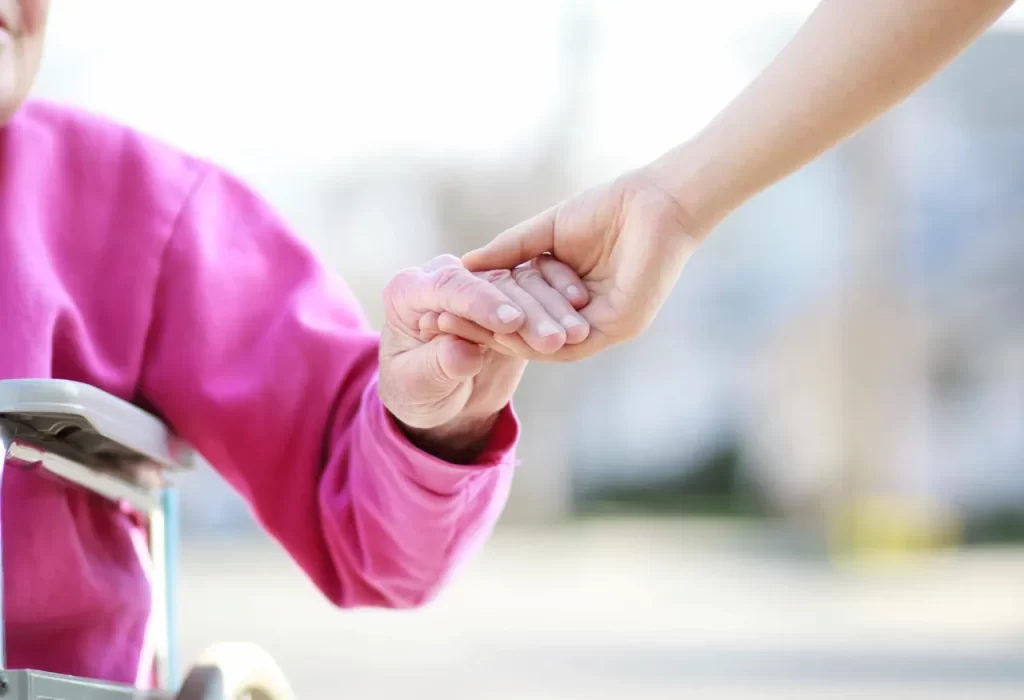
Senior Living Placement & Referral Services Looking for senior living options near you?You’ve found A Graceful Transition (AGT). AGT provides no-cost senior living placement and referral services for families in Portland and surrounding Oregon communities. Our Senior Living Advisors offer personal, trusted guidance to help families explore assisted living, memory care, adult foster homes, and in-home care options. We take the time to understand your loved one’s needs, then share carefully selected local resources to help you make confident, informed decisions—without pressure. How A Graceful Transition Helps No cost to families for guidance or referrals Personal support from experienced Senior Living Advisors Local knowledge of senior living communities and adult care homes Support through hospital or care transitions Education for all stages of senior care We build professional relationships with senior living communities and adult care homes, then share those resources with families to help find the right fit for their loved ones. About Our Referral Services A Graceful Transition is a privately held, for-profit senior care referral agency serving the healthcare and hospital support space. Our guidance is always free to families. AGT may receive compensation from a senior living community or home care provider only if a family chooses to move forward with one of our referred options. Our role is to educate, guide, and support families—not to pressure decisions. Local Leadership You Can Trust Founded by LaVona Tomberlin, A Graceful Transition sets a high standard for ethical, compassionate senior care referrals in the Oregon area — Portland, Or | Salem, Or | Bend, Or. Our focus is always on helping families feel supported, informed, and confident during senior living transitions.
Tenacity in Mental Health – AGT Book Review
We all need coping mechanisms for navigating life and the highs and lows of bipolar disorder even more. https://tenacityistheway.com/ With Tenacity in Mental Health we learn to communicate and advocate for with healthcare professionals on your own behalf. Taylor helps lead you to the pinnacle where you will find practical strategies for achieving academic success, even with a learning disability. Taylor shows us how he has drawn strength from real-life stories of resilience and perseverance. With Taylor a foundation of hope, stability, and self-empowerment in the face of adversity in within reach to you! Our book review of Tenacity in Mental Health, the book by Taylor Dunne is a must read for anyone. What if someone could provides practical tools and real-world insights to you so you may live with bipolar disorder in a BETTER way? This good book offers an authentic guide to embracing and managing bi polar mental health challenges with tenacity. Here is the Amazon link to buy: .
Empathy in Caregiving – Song of a Lifetime

Empathy In Caregiving – Dying Requests: Compassionate Care at Life’s End Empathy. At the heart of compassionate care lies the human connection—an approach that honors the dignity, wishes, and emotional needs of individuals at the end of their lives. For families navigating this deeply emotional journey, finding guidance and support can be essential. Resources like those available on A Graceful Transition offer comprehensive insights into end-of-life care, including services, planning, and ways to provide comfort during these final moments. Whether you’re a caregiver or a family member, the stories of real-life experiences can offer comfort and practical advice on handling such difficult transitions. Emapthy for Eleanor The soft rustle of curtains swayed in the quiet room, a gentle autumn breeze carrying the scent of fallen leaves. There, in a small bed near the window, lay Eleanor, an elderly woman whose body was frail and whose time on Earth was drawing to a close. Her children stood by her side—her daughter Mary, her son David. A pastor and her care advisor, Sarah, were also present, gathered closely, hoping to bring peace in her final moments. Eleanor had lived a long life marked by love, faith, and resilience. Now, as the end neared, there was only one thing she longed for—just a song. Not just any song, but the one that had been her solace through the ups and downs of life: “How Great Thou Art.” Her gravely voice, barely a whisper, rose in volume from pain and with this simple request. “Could you sing it for me?” Her eyes, though tired, were bright with hope. Mary’s voice trembled as she shook her head. “I can’t, Mom. I wouldn’t be able to get through it.” David, the practical one, sighed softly. “I’m sorry. I can’t either. It’s just too much.” The pastor, known for his sermons but not his singing, tried to add some levity. “Eleanor, you don’t want to hear me sing. Trust me on that one.” His laugh was soft, but the mood in the room remained heavy. Sarah, the care advisor, sat quietly, watching from the corner. She felt the weight of Eleanor’s request. Sarah was a professional singer, though she rarely spoke of it in her role as a caregiver. She had spent years performing on stages, but now, in this intimate setting, she hesitated. Was this really the right time and place? She didn’t want to draw attention to herself or make the moment feel less authentic. The song was for Eleanor, after all, not a performance. She glanced around the room and saw the discomfort on the faces of Eleanor’s family. Neither of them could sing, and the pastor wasn’t going to. But surely, Sarah thought, someone should step in. It was a dying woman’s last request—a final act of grace and comfort. Then it struck her: maybe it didn’t have to be perfect. Maybe it wasn’t about hitting the right notes or delivering the song the way she had done countless times before. Eleanor wasn’t asking for a flawless performance. She just wanted the comfort of the familiar hymn—whether through singing or even just a hum. Tentatively, Sarah began to hum the melody. The soft sound seemed to fill the space between the grief and the silence. She rose from her seat, taking Eleanor’s hand gently in hers, feeling the warmth of the woman’s fragile grip. As she hummed, Sarah looked up and saw the tension ease from David’s shoulders, and Mary wiped a tear from her cheek. Sarah reached for David’s hand, then for Mary’s, and together, the circle tightened around Eleanor’s bedside. The hum, soft and simple, was enough. Slowly, the words came to Sarah’s lips, though she kept her voice low. “O Lord, my God, when I in awesome wonder, Consider all the worlds Thy Hands have made…” It didn’t matter that no one else sang along. It didn’t matter that they didn’t know the words or couldn’t carry the tune. The song was not about perfection. It was about connection, presence, and honoring Eleanor’s final wish. Eleanor’s eyes fluttered shut, a peaceful smile on her face. The song, even in its simplicity, seemed to bring her comfort. “Then sings my soul, my Savior God, to Thee, How great Thou art, how great Thou art…” The room fell silent again as Sarah’s voice trailed off. Eleanor’s hand, once so steady, grew still in Sarah’s. She had passed away, cradled by the song she loved and surrounded by those who loved her. For Sarah, this moment was about more than fulfilling a request. It was about compassionate care—knowing that sometimes, it’s not about the grand gestures or perfect skills. It’s about showing up with love, however imperfect or hesitant that may be. For those who don’t sing, who feel unsure of their abilities, or who may not know the words to a song, it’s enough to hum. It’s enough to be present. The power of music, even in its simplest form, can soothe the soul and bring comfort in the most difficult moments. As Sarah looked at the family, she saw that, in the act of holding hands and humming together, they had become part of something sacred. In that circle of love, they helped Eleanor cross the threshold from this life to the next, not with a performance, but with presence. And that, after all, was all Eleanor had asked for. In moments like these, compassionate care is not just about attending to physical needs, but ensuring emotional and spiritual comfort as well. If you’re facing the challenge of caring for an elderly loved one or preparing for end-of-life care, there are numerous resources to assist with this journey. In Portland, Oregon, the Aging and Disability Resource Center offers services that can help you navigate these decisions, from providing in-home care guidance to ensuring the individual’s last days are lived with dignity and respect. By connecting with supportive communities, families can ensure that their loved ones receive the best care
Dementia

Dementia is a chronic condition caused by different diseases, so it’s unlikely that there will be a single cure. Research is focused on finding cures for specific dementia-causing diseases, such as Alzheimer’s disease. Types of Dementia – There are many types of dementia, each with its own characteristics: Alzheimer’s disease — The most common type of dementia, caused by abnormal protein deposits in the brain. It usually affects people in their mid-60s and older, but can sometimes occur in people in their mid-30s to 60s. Vascular dementia — The second most common type of dementia, caused by conditions that disrupt blood flow in the brain. Symptoms include difficulty with movement and coordination, and problems with language and communication. Lewy body dementia — An umbrella term for conditions that include Parkinson’s disease and Parkinson’s disease dementia. It’s caused by abnormal deposits of the alpha-synuclein protein in the brain. Frontotemporal dementia — A rare form of dementia that usually affects people between the ages of 45 and 64. It’s caused by abnormal amounts or forms of tau and TDP-43 proteins in the frontal and temporal lobes of the brain. Young-onset dementia — A term for dementia that develops in people under the age of 65. Memory loss is often one of the first symptoms. Mixed dementia — A condition where a person develops more than one type of dementia. Wernicke disease — A condition that can cause physical symptoms like double vision and loss of muscle coordination. If left untreated, Wernicke’s disease can progress to Korsakoff syndrome, a memory disorder. Primary progressive aphasia — A rare type of dementia that damages the parts of the brain that control language, personality, emotions, and behavior. Is there a Cure For Dementia? Not yet. Currently, there’s no cure for any type of dementia. The cause of dementia can depend on a combination of factors, including age, genes, lifestyle, and other health conditions. The best thing to do is start taking care of yourself now. If you have an unhealthy vice dementia is a good reason to replace the bad with the good thing. Memory care is a type of long-term care that provides specialized care for people with dementia or Alzheimer’s disease. The goal of memory care is to create a safe, structured environment that improves the quality of life for residents: Staff — Memory care facilities have staff who are trained to deal with cognitive impairments. Environment — Memory care facilities are designed to be secure, with locked doors to prevent residents from wandering away. They often have enclosed outdoor courtyards and common areas designed to help residents find their way around. Activities — Memory care facilities offer activities and therapies to improve cognitive function and engage residents. These activities can include art, music, and interactive games. Routines — Memory care facilities often stick to preplanned schedules to give structure to residents’ days. Memory care can be offered in: stand-alone facilities, assisted living facilities, continuing care retirement communities, and nursing homes. We can help you find just the right place. <iframe width=”560″ height=”315″ src=”https://www.youtube.com/embed/-lwJyVNsytg?si=asBPjQ3MNut5PePj&start=10″ title=”YouTube video player” frameborder=”0″ allow=”accelerometer; autoplay; clipboard-write; encrypted-media; gyroscope; picture-in-picture; web-share” referrerpolicy=”strict-origin-when-cross-origin” allowfullscreen></iframe>
Older Adults Top Issues

Top issues for older adults discussed with the AGT collective and posted here weekly! What are the top issues we will discuss? We will deliver current studies and newest steps for older adults to mitigate risk for serious health concerns like: Diabetes Osteoporosis Alzheimer’s disease Polypharmacy (Taking Multiple Medications) and how to be sure you are making the right choice for you Urinary Incontinence candid discourse on keeping the pee. Pain. Social and Mental concerns such as: Fall prevention, 1 in 3 older adults fall each year, and falls are a leading cause of injury for our age group. How we can navigate the changing dynamics of modern society, since families are increasingly becoming nuclear, and traditional support systems of the past are gradually changing. We take a look at what senior care looks like for some families. Memory concerns often cause anxiety for older adults and families. We will discuss dementia solutions and Alzheimer’s hacks. Depression navigation tips, everyone gets depressed, how do we get out of it on the side of happy? Isolation and loneliness tips to find your place in the world.
Elder Care Services

Senior Citizens have specific needs and we have resources to Senior Living Services which can help you navigate the tough decisions about what to do when your Senior Loved Anyone who has typed a Google search for “assisted living homes for rent near me” or even “retirement homes close to me” knows the search results can be confusing and a taxing task to sift through. In-Home Care – Trained and compassionate helpers who are registered caregivers and can provide in-home care services to seniors which will help them maintain their independence and quality of life in the home. Transportation Services – We offer resources to access safe and reliable transportation services to seniors helping your senior loved one get to medical appointments, grocery shopping and social events. Memory Care – Our memory care resources are designed to help seniors with mental decline restore and maintain their cognitive abilities and improve quality of life wherever possible. Companionship Services – Unique to AGT are our connections to many Elder Care Services. Including companionship services which provide seniors with unique emotional and social support. Unlike what family or friends can supply, this helps our senior loved ones combat loneliness and depression. Respite Care – Our resources for respite care services in the areas we server are top notch. These provide temporary relief to family caregivers allowing them to take a break and recharge without concern for their loved one. Home Safety Assessments – Our home safety assessment experts help seniors and families become aware of possibly overlooked potential hazards in their own homes providing resources for modifications to improve safety and increase continued independence for Senior Living at Home. Senior Living close to me Senior Living close to me Senior Living close to me
What Type of Care Will Meet Your Needs?

Independent Senior Living Facilities and Services Senior Assisted Living Facilities Adult Foster Care Homes / Adult Care Homes Retirement Communities Dementia Home Care Services Dementia Care Facilities Alzheimer’s Care Palliative Care Memory Care Adult Day Care Services Adult Day Facilities Respite Care Services Hospice Care Our mission is to simplify your senior years journey by taking the guesswork out of finding the right home for your needs meeting various levels of senior care. We have excellent relationships with facilities offering levels of senior care. The Type of Care each placement is customized to yours or the needs of your loved one. Our continued dedication to client’s happiness and well-being brings us exceptional peer reviews within elderly care services communities. We work with you fitting your senior living needs and budget. Offering you A Graceful Transition to Senior Living for you or your loved one with supportive, compassionate service.