Empathy in Caregiving – Song of a Lifetime

Empathy In Caregiving – Dying Requests: Compassionate Care at Life’s End Empathy. At the heart of compassionate care lies the human connection—an approach that honors the dignity, wishes, and emotional needs of individuals at the end of their lives. For families navigating this deeply emotional journey, finding guidance and support can be essential. Resources like those available on A Graceful Transition offer comprehensive insights into end-of-life care, including services, planning, and ways to provide comfort during these final moments. Whether you’re a caregiver or a family member, the stories of real-life experiences can offer comfort and practical advice on handling such difficult transitions. Emapthy for Eleanor The soft rustle of curtains swayed in the quiet room, a gentle autumn breeze carrying the scent of fallen leaves. There, in a small bed near the window, lay Eleanor, an elderly woman whose body was frail and whose time on Earth was drawing to a close. Her children stood by her side—her daughter Mary, her son David. A pastor and her care advisor, Sarah, were also present, gathered closely, hoping to bring peace in her final moments. Eleanor had lived a long life marked by love, faith, and resilience. Now, as the end neared, there was only one thing she longed for—just a song. Not just any song, but the one that had been her solace through the ups and downs of life: “How Great Thou Art.” Her gravely voice, barely a whisper, rose in volume from pain and with this simple request. “Could you sing it for me?” Her eyes, though tired, were bright with hope. Mary’s voice trembled as she shook her head. “I can’t, Mom. I wouldn’t be able to get through it.” David, the practical one, sighed softly. “I’m sorry. I can’t either. It’s just too much.” The pastor, known for his sermons but not his singing, tried to add some levity. “Eleanor, you don’t want to hear me sing. Trust me on that one.” His laugh was soft, but the mood in the room remained heavy. Sarah, the care advisor, sat quietly, watching from the corner. She felt the weight of Eleanor’s request. Sarah was a professional singer, though she rarely spoke of it in her role as a caregiver. She had spent years performing on stages, but now, in this intimate setting, she hesitated. Was this really the right time and place? She didn’t want to draw attention to herself or make the moment feel less authentic. The song was for Eleanor, after all, not a performance. She glanced around the room and saw the discomfort on the faces of Eleanor’s family. Neither of them could sing, and the pastor wasn’t going to. But surely, Sarah thought, someone should step in. It was a dying woman’s last request—a final act of grace and comfort. Then it struck her: maybe it didn’t have to be perfect. Maybe it wasn’t about hitting the right notes or delivering the song the way she had done countless times before. Eleanor wasn’t asking for a flawless performance. She just wanted the comfort of the familiar hymn—whether through singing or even just a hum. Tentatively, Sarah began to hum the melody. The soft sound seemed to fill the space between the grief and the silence. She rose from her seat, taking Eleanor’s hand gently in hers, feeling the warmth of the woman’s fragile grip. As she hummed, Sarah looked up and saw the tension ease from David’s shoulders, and Mary wiped a tear from her cheek. Sarah reached for David’s hand, then for Mary’s, and together, the circle tightened around Eleanor’s bedside. The hum, soft and simple, was enough. Slowly, the words came to Sarah’s lips, though she kept her voice low. “O Lord, my God, when I in awesome wonder, Consider all the worlds Thy Hands have made…” It didn’t matter that no one else sang along. It didn’t matter that they didn’t know the words or couldn’t carry the tune. The song was not about perfection. It was about connection, presence, and honoring Eleanor’s final wish. Eleanor’s eyes fluttered shut, a peaceful smile on her face. The song, even in its simplicity, seemed to bring her comfort. “Then sings my soul, my Savior God, to Thee, How great Thou art, how great Thou art…” The room fell silent again as Sarah’s voice trailed off. Eleanor’s hand, once so steady, grew still in Sarah’s. She had passed away, cradled by the song she loved and surrounded by those who loved her. For Sarah, this moment was about more than fulfilling a request. It was about compassionate care—knowing that sometimes, it’s not about the grand gestures or perfect skills. It’s about showing up with love, however imperfect or hesitant that may be. For those who don’t sing, who feel unsure of their abilities, or who may not know the words to a song, it’s enough to hum. It’s enough to be present. The power of music, even in its simplest form, can soothe the soul and bring comfort in the most difficult moments. As Sarah looked at the family, she saw that, in the act of holding hands and humming together, they had become part of something sacred. In that circle of love, they helped Eleanor cross the threshold from this life to the next, not with a performance, but with presence. And that, after all, was all Eleanor had asked for. In moments like these, compassionate care is not just about attending to physical needs, but ensuring emotional and spiritual comfort as well. If you’re facing the challenge of caring for an elderly loved one or preparing for end-of-life care, there are numerous resources to assist with this journey. In Portland, Oregon, the Aging and Disability Resource Center offers services that can help you navigate these decisions, from providing in-home care guidance to ensuring the individual’s last days are lived with dignity and respect. By connecting with supportive communities, families can ensure that their loved ones receive the best care
Dementia Care Guide

Senior Care Resource Dementia Care Guide for Oregon Families When you need dementia help Oregon to determine if your loved one needs memory care Oregon or Assisted Living, AGT is here to help deliver caring options for your dementia parent. Table of Contents: Dementia Care Guide How to Care for a Parent with Dementia 7 Signs a Parent with Dementia Needs Assisted Living Memory Care vs Assisted Living The First 90 Days After a Dementia Diagnosis Dementia – Coffee and Healthy Aging What kinds of Dementia are there? Dementia is a chronic condition caused by different diseases, so it’s unlikely that there will be a single cure. Research is focused on finding cures for specific dementia-causing diseases, such as Alzheimer’s disease. Types of Dementia – There are many types of dementia, each with its own characteristics: Alzheimer’s disease — The most common type of dementia, caused by abnormal protein deposits in the brain. It usually affects people in their mid-60s and older, but can sometimes occur in people in their mid-30s to 60s. Vascular dementia — The second most common type of dementia, caused by conditions that disrupt blood flow in the brain. Symptoms include difficulty with movement and coordination, and problems with language and communication. Lewy body dementia — An umbrella term for conditions that include Parkinson’s disease and Parkinson’s disease dementia. It’s caused by abnormal deposits of the alpha-synuclein protein in the brain. Frontotemporal dementia — A rare form of dementia that usually affects people between the ages of 45 and 64. It’s caused by abnormal amounts or forms of tau and TDP-43 proteins in the frontal and temporal lobes of the brain. Young-onset dementia — A term for dementia that develops in people under the age of 65. Memory loss is often one of the first symptoms. Mixed dementia — A condition where a person develops more than one type of dementia. Wernicke disease — A condition that can cause physical symptoms like double vision and loss of muscle coordination. If left untreated, Wernicke’s disease can progress to Korsakoff syndrome, a memory disorder. Primary progressive aphasia — A rare type of dementia that damages the parts of the brain that control language, personality, emotions, and behavior. Is there a Cure For Dementia? Not yet. Currently, there’s no cure for any type of dementia. The cause of dementia can depend on a combination of factors, including age, genes, lifestyle, and other health conditions. The best thing to do is start taking care of yourself now. If you have an unhealthy vice dementia is a good reason to replace the bad with the good thing. Memory care is a type of long-term care that provides specialized care for people with dementia or Alzheimer’s disease. The goal of memory care is to create a safe, structured environment that improves the quality of life for residents: Staff — Memory care facilities have staff who are trained to deal with cognitive impairments. Environment — Memory care facilities are designed to be secure, with locked doors to prevent residents from wandering away. They often have enclosed outdoor courtyards and common areas designed to help residents find their way around. Activities — Memory care facilities offer activities and therapies to improve cognitive function and engage residents. These activities can include art, music, and interactive games. Routines — Memory care facilities often stick to preplanned schedules to give structure to residents’ days. Memory care can be offered in: stand-alone facilities, assisted living facilities, continuing care retirement communities, and nursing homes. We can help you find just the right place. File through our Free Dementia guide to find out more. Hopefully you find the empowerment you are looking for, if not we are ready to take your call. Zero Cost to Families We are here to answer your questions and more Call Button All Posts Dementia The First 90 Days After a Dementia Diagnosis: What Families Should Know March 14, 2026/ Senior Care Resource Dementia Care Guide for Oregon Families When you need dementia help Oregon to determine if your loved… Read More Memory Care vs Assisted Living: What Families Should Know March 14, 2026/ Memory Care vs Assisted Living: What Families Should Know Families with a loved one who is experiencing memory care issues… Read More 7 Signs a Parent with Dementia May Need Assisted Living March 14, 2026/ 7 Signs a Parent with Dementia May Need Assisted Living Families caring for someone with dementia often reach a difficult… Read More Load More End of Content.
Older Adults Top Issues

Top issues for older adults discussed with the AGT collective and posted here weekly! What are the top issues we will discuss? We will deliver current studies and newest steps for older adults to mitigate risk for serious health concerns like: Diabetes Osteoporosis Alzheimer’s disease Polypharmacy (Taking Multiple Medications) and how to be sure you are making the right choice for you Urinary Incontinence candid discourse on keeping the pee. Pain. Social and Mental concerns such as: Fall prevention, 1 in 3 older adults fall each year, and falls are a leading cause of injury for our age group. How we can navigate the changing dynamics of modern society, since families are increasingly becoming nuclear, and traditional support systems of the past are gradually changing. We take a look at what senior care looks like for some families. Memory concerns often cause anxiety for older adults and families. We will discuss dementia solutions and Alzheimer’s hacks. Depression navigation tips, everyone gets depressed, how do we get out of it on the side of happy? Isolation and loneliness tips to find your place in the world.
Elder Care Services

Senior Citizens have specific needs and we have resources to Senior Living Services which can help you navigate the tough decisions about what to do when your Senior Loved Anyone who has typed a Google search for “assisted living homes for rent near me” or even “retirement homes close to me” knows the search results can be confusing and a taxing task to sift through. In-Home Care – Trained and compassionate helpers who are registered caregivers and can provide in-home care services to seniors which will help them maintain their independence and quality of life in the home. Transportation Services – We offer resources to access safe and reliable transportation services to seniors helping your senior loved one get to medical appointments, grocery shopping and social events. Memory Care – Our memory care resources are designed to help seniors with mental decline restore and maintain their cognitive abilities and improve quality of life wherever possible. Companionship Services – Unique to AGT are our connections to many Elder Care Services. Including companionship services which provide seniors with unique emotional and social support. Unlike what family or friends can supply, this helps our senior loved ones combat loneliness and depression. Respite Care – Our resources for respite care services in the areas we server are top notch. These provide temporary relief to family caregivers allowing them to take a break and recharge without concern for their loved one. Home Safety Assessments – Our home safety assessment experts help seniors and families become aware of possibly overlooked potential hazards in their own homes providing resources for modifications to improve safety and increase continued independence for Senior Living at Home. Senior Living close to me Senior Living close to me Senior Living close to me
When Is It OK To Back Away?
When Is It OK To Back Away? by LaVona Tomberlin “Sometimes the best move forward is stepping back.” Do you need to Back Away? From the time that we are small children we are taught that thinking of ourselves first is selfish. We are always supposed to think of others first or do we need to back away. We are always supposed to make others happy and safe and well. If all that is true, we should be happy. Give Until It Hurts As a small child if another child wanted our toy, we were told to give it to them without complaint. I know that as I grew, I learned not to be competitive; even to the point that if I was dating a boy and one of my friends liked him, I walked away. Sometimes that was painful but I felt that I was doing the right thing. It was my job to make others happy and that should make me happy and satisfied. Caretaker As an adult I have taken care of my mother for 7 years after the death of my father when she was ill and sad. During that time I lost my best friend and my father but it was my job to take care of my mother because she needed me. I did that until I became ill and someone said to me, actually it was my doctor, that if I did not take care of myself, I would be of no use to anyone. I took that advice and moved away to take care of me. Changing The Scene When I moved, I thrived. I found out what it felt like to be truly happy. Wouldn’t you know it, I found that I truly enjoyed helping people and did that when I wanted to but while I was doing what I loved to do. After moving I discovered that when I helped people, and did it with an open heart, I felt truly blessed. Take Care of Yourself Taking care of ourselves is not selfish. It is preparing us to be the best we can be so that we can offer our best selves to the people that we love and want to help. Sometimes that means actually doing the work. Sometimes that means stepping back and finding the right person to do the work who can do it best. This is not abandoning the person but protecting them. Sometimes backing away is simply allowing us to be what we are to them; their friend, their spouse, their child and allowing a professional to do the hard work of caring for them. They are trained to do this job. We are there to love them. Here are 8 ways to gain perspective Reflection: Helps you understand yourself and make informed decisions about difficult situations by examining your experiences and reflecting on what you’ve learned. Gratitude: Can help you shift your perspective by keeping a gratitude journal or finding a gratitude partner. Empathy: Understand the thoughts, emotions, and circumstances of others. Change Your Space: Can inspire a new perspective on life and expose you to new opportunities. Welcome Change: Helps you gain perspective and become more compassionate and supportive of others going through change. Think Differently: Helps you get into a creative mindset by looking at things from different angles and exploring new ways of thinking. Get a Different or Positive Perspective: Helps you improve your confidence and self-belief, and can lead to a more fulfilling life. Follow your Heart: Gain perspective by reimagining your role in the world and adding to your sense of wonder.
Placement Timeliness

Your Go To When is it Time to find a Senior Living Community? Deciding to place a loved one in any situation, whether it be Assisted Living, Memory Care, or Adult Care Home, is difficult, frightening, and guilt-ridden for anyone. As placement agents, how do we make this difficult task less difficult? As Placement Specialists, we are called upon to know about many things; more than that, we need to share what we know. We need to be the “Go to” for information and support for the family and the client. We need to take the burden from the family’s shoulders and take it upon ourselves to lighten their load. Support We must realize that the person who is closest to the client suffering from dementia probably does not have much support from those on the sidelines. The doctor may be unaware of the decline because the patient is at their best when they see the doctor. Friends and family call, and the patient has a normal conversation. Friends and family may take the patient on short outings or come for short visits, and again, the patient is at their best. These people may question your decisions and even accuse you of having ulterior motives, and you may feel guilty as if you are abandoning the patient. Now it deserves a moment to speak on Immediate Memory. Imagine a circle of people outside of the circle of 24hour care. It is necessary to listen and trust the 24hour caregiver closest to the person receiving care. Here is why, something that happens at this stage to the patient. They start acting like everything is ok during a one off visit. The loved one is in fact going to have no memory of what has gone on during a short visit. Only those people in his day to day. Immediate Memory feels like a put on, they can act normal for a short visit. Being able to dwell with people but having no memory. The person who deals with this is faulted because the loved one seems ok. Unless you live with the person 24 hours as constant caregiver you should realize the depth of care is different. This behavior seems performative and it is. It can also be signs of the early stages of Dementia. Selfcare First, we need to point out that if you do not take care of yourself, you will be worthless to anyone else. Second, it is important to understand that when you become a caregiver, you often lose your standing as a wife, husband, child, grandchild, or friend. You may become the target of their anger and frustration, and they also lose the relationship that means so much, and loneliness ensues for both of you. With Love Placing a loved one in an appropriate housing or care is the most loving act that one can do to show your love. You see the patient receiving the necessary care while maintaining your relationship with them. You may initially be the “bad” person, but this will pass, and you will come through it as their rock and return to your initial relationship as husband, wife, daughter. It is our experience that when you let someone else be their caregiver you can return to giving emotional loving support. Be their loving person rather than their day to day, 24/7 caregiver. You can feel great knowing you have provided safety and care and may be lucky to see them thrive. When they feel better and understand they are receiving what is best for them, you are the “good” person they love. You will feel loved and appreciated because they know they are loved. There are times that as a family-member caregiver that you will feel rejected and unloved. It is hard to be loving 24/7 and when someone treats you badly we often feel detached, a little or a lot or just a little bit angry. This is where more selfcare can help you. Where you feel you are actually about to disassociate. Stop for a moment and give yourself a break. By giving care to your loved one and not care to yourself you can break your psyche. It is not your duty. You are too involved being the “caregiver” of another and not giving yourself enough time. It is unfortunate for both and it really is the same for every caregiver. It is too much and it is always going to be time for things to change for the family. Mindfulness Be aware of your feelings and accept your knowledge. Although others may mean well, they are not present enough to know and accept the truth of the situation. Make the decision that is best for you and your loved one. Look at your past and, more importantly, look to the future. You will make the right decision and AGT can help if you are in the Portland, Oregon area.
What Type of Care Will Meet Your Needs?
Independent Senior Living Facilities and Services Senior Assisted Living Facilities Adult Foster Care Homes / Adult Care Homes Retirement Communities Dementia Home Care Services Dementia Care Facilities Alzheimer’s Care Palliative Care Memory Care Adult Day Care Services Adult Day Facilities Respite Care Services Hospice Care Our mission is to simplify your senior years journey by taking the guesswork out of finding the right home for your needs meeting various levels of senior care. We have excellent relationships with facilities offering levels of senior care. The Type of Care each placement is customized to yours or the needs of your loved one. Our continued dedication to client’s happiness and well-being brings us exceptional peer reviews within elderly care services communities. We work with you fitting your senior living needs and budget. Offering you A Graceful Transition to Senior Living for you or your loved one with supportive, compassionate service.
Social Media for Professional Learning
Signature Assignment The Integrated Classroom and the Role of the Educator LaVona Tomberlin AET/562 Social Media for Professional Learning University of Phoenix December 19, 2022 Dr. Sean Spear The Integrated Classroom and the Role of the Educator A Graceful Transition(AGT) is a patient centered company and the care that we provide our patients is first and foremost. In order to maintain our level of care and our occupancy it is of the utmost importance that we maintain our reputation. We believe in innovation, creatively sharing, and learning with the use of social media tools and we want to take advantage of the edge that technology offers. With technology comes accountability and creating a positive culture so we must take steps and plan to be creative in the most positive way. We must move forward in a way that does not compromise our integrity and our reputation in any way. The access to cyber connection makes it necessary to create company policies to invent guidelines and circumvent problems. Social Learning Social learning is simply learning from the observation and sharing of information. When people with different skill sets are teamed together they will learn from one another and they will remember what they learn because they will be using it as they observe and learn. We experience this as we work in teams here at UOP. Each of us have different skills and we rely on each other to do what we do best and at the same time we learn each other’s skills and are stronger and more skilled because we are together. We each bring a strength to the relationship, we collaborate and we build a relationship as we work together. Social or informal learning is an effective way to address employees’ learning needs. It is the process of learning with and from others within the organization, informally and by sharing knowledge. Social learning is simply learning from the observation and sharing of information. When people with different skill sets are teamed together they will learn from one another and they will remember what they learn because they will be using it as they observe and learn. We experience this as we work in teams here at UOP. Each of us have different skills and we rely on each other to do what we do best and at the same time we learn each other’s skills and are stronger and more skilled because we are together. We each bring a strength to the relationship, we collaborate and we build a relationship as we work together. Effects of Social Learning Social learning effects the workplace in a very positive way. Social learning reinforces the perception of a task as being novel or different which allows employees to learn better because of increased interest. We learn by internalizing information and we recall the information when we are faced with a similar situation, in business this is the reality and it builds retention. We also learn by repeating a process and since in business we are able to repeat processes we learn by the reproduction of problems and their solution as we use those new skills over and over. Motivation comes from doing something well and knowing that there is a team to help. Social learning provides that team and the support that is needed through communication and relationship building (Meij, 2022). Social learning will shorten onboarding time for new hires. It will promote skill sharing and better use of existing talents while inspiring more collaboration. It will allow employees to learn in their own time. When all is said and done it increases engagement, positive growth in job and organization performance and collaboration, the sharing of ideas to solve problems, and very important, retention of employees (Meij, 2022). Organizational Culture Social learning changes the culture of an organization from a culture of individuals to a culture of teams. Instead of a group of employees who work as individuals they will now have a group of individuals that communicate and collaborate exchanging ideas and sharing ideas and working as a team. They will have cohesiveness and employees that support one another and in so doing will be motivated as a team and will be more productive and successful. This culture will promote success within an organization and success for the individual (Meij, 2022). Social learning and role of the trainer The trainer assesses the readiness to adopt social learning and set the goals for the process. In social learning each person becomes a trainer but there must be one person that is the facilitator or maybe more. Their job is to make it happen, especially at first, to make sure that it is begun. They facilitate the process by making sure there is a richer use of the existing knowledge base. They direct learning paths and oversee discussion forums. They have access to experts to coach and mentor. They facilitate sharing of experiences and learning. They create communities of interest. They encourage learners to contribute and enhance the knowledge base. They improve the access to information or ensure a speedy update or dissemination of new information. They provide and take feedback by having formal feedback sessions with learners to determine what is working and what is not and to re-strategize to meet the goal (Pandey, 2017). Accountability Social media tools can have a positive or negative effect on an employee’s online and in-person reputation depending on their use of the tool. A person who uses social media effectively to communicate with other employees to help to ease a work load or to teach or train by answering questions and being of help will be well thought of. They might post a word of praise for another employee so that they are recognized for a kindness. These are all positive things that could boost their reputation. On the other hand if they posted a complaint about other employees or a negative about a training event that would be negative and demonstrate a
Caregiver Near Me
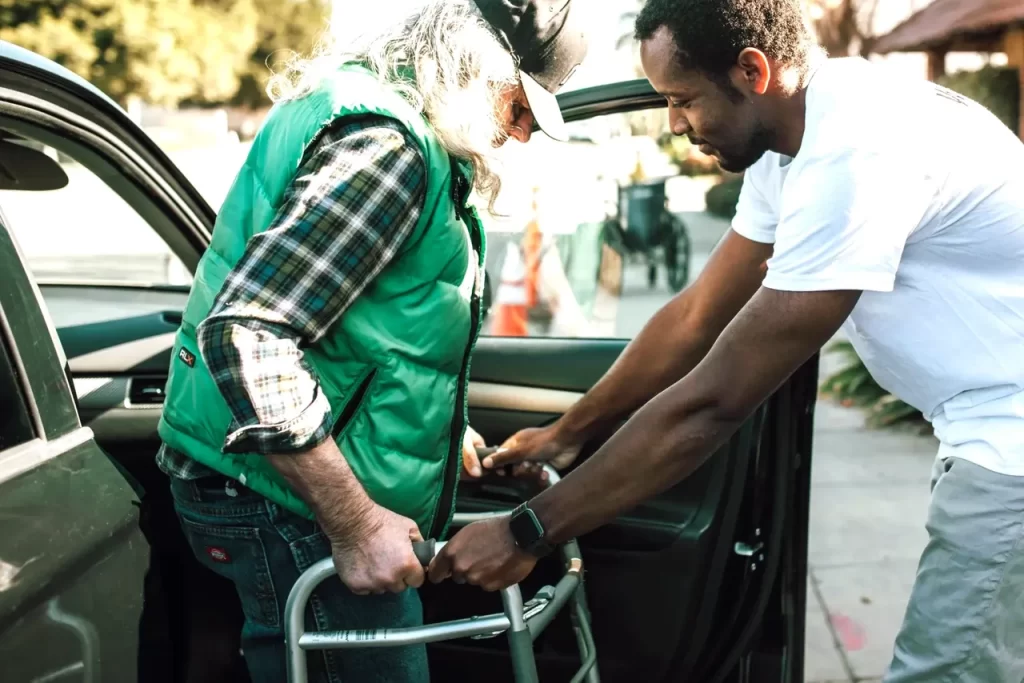
Emotional Toll Caring for Loved Ones whether growing older or youthful accident which leaves them in your care is going to have an emotional toll. All kinds of issues arise, there are good days and not so good days. As dementia cases continue to rise, the emotional burden on caregivers can grow heavy if you are not taking care. Caregivers are often the unsung heroes in a difficult situation, providing support and care for those they love and the people around them. Succinctly, the reality of watching someone you once knew slip away can be heartbreaking. In that heartbreak the emotional toll must be mitigated some how. Jennifer Kem wisely reminds us, “A caregiver cannot help anyone if they themselves are running ragged.” This sentiment underscores the importance of self-care for caregivers, who often neglect their own needs in the process of caring for others. Impact on Caregivers Caregivers face a unique set of challenges that can lead to mental health issues such as anxiety, depression, and insomnia. The emotional distress of seeing a loved one forget who you are or struggle with daily tasks can be overwhelming. As the disease progresses, caregivers often find it difficult to relate to the person they once knew, leading to feelings of isolation and sadness. It’s crucial for caregivers to recognize these feelings and seek help when needed. Support groups, therapy, and even casual meetups with friends can provide the emotional relief necessary to cope with the situation. Caregivers should also prioritize their physical health by incorporating regular exercise, nutritious eating, and good sleep hygiene into their routines. Coping Skills Protective Factors, or coping skills, for Caregivers and Loved Ones is very important. While the emotional toll on caregivers is significant, there are protective factors that can help not only the caregiver but also the person experiencing dementia: Regular Physical Activity – Encouraging caregivers to engage in regular physical activity is essential. This not only helps reduce stress but also boosts overall mental health. Whether it’s a brisk walk or a yoga class, movement is key. Eating Healthy – A balanced diet can improve both physical and mental well-being. Caregivers should make it a priority to eat nutritious foods, which can help maintain their energy levels and mood. Building a Healthy Support Network – Creating a strong support system is vital. This network should include friends, family, and even online communities. However, face-to-face interactions are crucial for emotional support. Good Sleep Routine – Quality sleep is essential for effective caregiving. Establishing adequate sleep hygiene can help caregivers recharge and maintain focus and patience. Regulating Stress and Emotions – Finding ways to manage stress is critical. Caregivers should not hesitate to seek professional help or lean on their support networks. Simple practices like deep breathing, meditation, or spending time in nature can have profound effects on mental health. Self-Care Ideas for Caregivers Incorporating small acts of self-care into our daily routines can make a big difference to everyone. You can even used these for the person you care for! Here are some practical ideas: Get a Massage: Treat yourself to a relaxing massage to relieve physical tension and improve your mood. Invite a Friend for Coffee: Social interactions can provide a much-needed emotional lift and remind you that you’re not alone. Create a Feel Good List: Write down five things you can do each day that make you feel good, smile, or laugh. Strive to do one a day. This could be listening to your favorite music, watching a funny show, or taking a moment to enjoy nature. Conclusion Caring for someone with dementia is an incredibly challenging journey, but it’s important for caregivers to remember that they are not alone. Taking proactive steps to care for their own mental and physical health can not only enhance their ability to support their loved ones but also improve their quality of life. For more ideas on engaging activities that can benefit both caregivers and loved ones, check out these dementia-friendly activities and fun ideas for brain health. Remember, the best way to care for someone else is to first care for yourself.
The Power of Love

Mom did NOT want to move! When talking to an elderly parent, listen closely and give them your full attention. Don’t start thinking about what you are going to say until they are finished speaking. Ask questions to show you understand and support them. Acknowledge and accept their feelings, and give realistic feedback on what you are capable of to help them. Listen Openly: Caroline shows that her mom values what she had to say. Even when mom did not. Respond With Understanding: Caroline’s responses showed respect and also conveys her support. Validate Their Emotions: It is tough to not agree yet acknowledge and accept your parents feelings. Caroline shows us what this looks like. Give Realistic Feedback: Let them know what you CAN do to help them. Sometimes this means we take a step back and pause the conversation. I love how Caroline demonstrates this in her article. Our loved ones deserve love at any age. That beautiful feeling of brightening, joy and sunshine. Love can happen at any age even to those of us who refuse to believe in it. Caroline Leavitt’s mother was not so loving toward Caroline. She did not believe in love with a man. However Caroline’s’ mom transformed, at 93, when she reluctantly, moved out of her home and into Senior Independent Living near me Facility. Caroline wrote an engaging article for Psychology Today about her mother, in Senior Living, who did not believe in love. That is how it was, until she and Walter found each other. Then the stagnate phrase “it is what it is” transformed into a kinetic phrase filled with possibilities and hope “it is what YOU make it”. Thanks to the Power of Love. During dinner one evening on new years day a handsome man also a resident in the same Senior Living Facility entered mom’s life. Caroline had done here best. She is a respectful caregiver. Filled with empathy for her loved ones. Caroline as her mothers caregiver recounts the many attributes of empathy in her article modeling respectful caregiving. Only four months after mom moved to the new facility a handsome man sat next to her during dinner. He was kind, warm and really smart. He was in his 80s. She asked him if he was going to the New Year’s Eve Party that night. “No,” and Caroline’s mother jumps in. “Then I’ll have to kiss you at midnight right now,” They fall in love. A deep love. They have joyful years together, spending time talking, laughing and sharing each meal together. This is a heartwarming and inspiring story! Caroline focuses on the character development of her senior mom, exploring her past experiences and reasons for not believing in love. The setting of an Independent Living Facility provides a charming and communal backdrop. She meets someone who unexpectedly changes her perspective. Her family witnessing this transformation adds a layer of emotional depth, highlighting the joy and new lease on life she experiences and helps others also experience. Caroline’s story explores themes of love at any age! Even as we age the importance of companionship as it touches all lives around us is evident. The power of love fosters unexpected connections in every relationship! That’s the power of love felt throughout generations. It is more than a feeling; it changes the depth of Caroline’s relationship with her mom and it transformed their relationship nearly overnight. Thank you Caroline Leavittt, for your hard work and clearly demonstrating respectful caregiving. We placement specialists at A Graceful Transition, salute you for your loving determination to persist in loving your mom through the tough times.